
Freesia refracta
Freesia refracta (Jacq.) Klatt
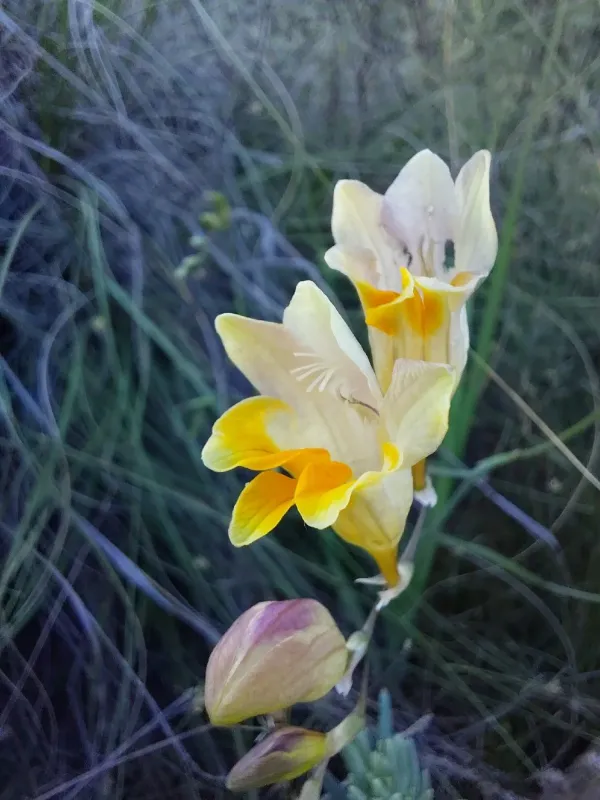
Description
Sowing dates
Freesia refracta is a perennial cormous plant belonging to the Iridaceae family, originating from Southern Africa. In agricultural production, corms are planted in prepared soil, ensuring the substrate is well-drained and friable.
Planting timing depends on the desired flowering cycle. In greenhouse environments, corms are typically planted in late winter to ensure production for the spring market, while outdoor planting follows the final frost.
The planting depth is crucial for stem stability and usually ranges from 5 to 8 cm. Proper spacing, typically 10–15 cm between plants, is essential to prevent overcrowding and ensure adequate airflow.
Pre-planting treatments, such as soaking in systemic fungicides, are recommended to protect the corms from soil-borne pathogens. This stage significantly influences the uniformity of the future crop.
The growth period from planting to flowering generally ranges from 90 to 120 days. Monitoring the temperature and light intensity during this time is essential for producing high-quality cut flowers.
Growing requirements
Freesia refracta requires a light, porous soil mix with a neutral pH. Proper soil structure is vital to prevent root suffocation, as the plant is highly sensitive to waterlogged conditions.
Temperature control is the most critical aspect of the plant's agronomy. Optimal temperatures are between 15–20°C during the growing period, as excessive heat can cause stunted development and flower abortion.
Light levels determine the strength and length of the flower stalks. In regions with short winter days, professional growers must utilize supplemental LED or HID lighting to maintain optimal plant physiology.
Irrigation should be consistent but cautious; moisture must be maintained around the root zone without creating stagnant water. Overwatering is the primary cause of corm rot in commercial cultivation.
Nutrient management involves balanced fertilization with higher concentrations of potassium and phosphorus during the budding phase. Nitrogen should be moderated to avoid excessive vegetative growth.
Main diseases and pests
Fungal pathogens such as Fusarium oxysporum and Botrytis cinerea are the most prevalent threats to Freesia refracta. These diseases thrive in high-humidity conditions with poor ventilation.
Insects like aphids, thrips, and spider mites represent the main pest challenges. Aphids are particularly dangerous as they can transmit viral diseases that are incurable in infected plant stocks.
Effective pest control relies on an Integrated Pest Management (IPM) approach. Regular monitoring of the foliage and early application of selective insecticides can prevent outbreaks in the greenhouse.
Sanitation practices, such as removing infested plant debris and disinfecting tools, are vital for maintaining crop health. Maintaining a clean growing environment is more effective than late-stage chemical intervention.
- Fusarium wilt
- Grey mold
- Aphids
- Thrips
- Spider mites
Harvesting
Harvesting for the cut flower market occurs when the first 2–3 flowers on the spike have opened. This stage provides the best balance between aesthetics and vase life for the end consumer.
After the foliage dies back post-flowering, corms are lifted and cleaned. Proper curing in a dry, ventilated area for a few days prevents post-harvest storage losses caused by rot.
Storage requires a cool, dry environment with temperatures around 15–18°C. Proper storage conditions are essential for maintaining the dormancy of the corms and ensuring successful future growth cycles.
Freesia refracta is widely recognized for its high commercial value due to its delicate fragrance and long-lasting cut stems. It remains a staple in the floriculture industry globally.
Consistent record-keeping of growth cycles and selection of vigorous corms for reproduction helps maintain high yields and product quality over successive agricultural seasons.