
Freesia laxa
Freesia laxa (Thunb.) Goldblatt & J. C. Manning
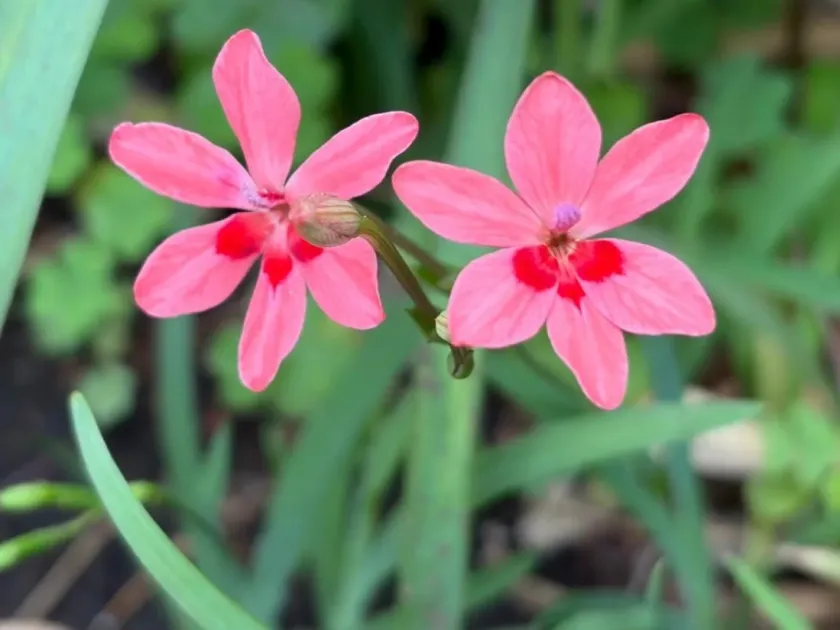
Description
Sowing dates
Planting of Freesia laxa corms takes place in spring, once the threat of frost has passed and soil temperatures have reached at least 10–12 degrees Celsius. This timing ensures robust root establishment before the onset of rapid vegetative growth.
For container-grown plants, earlier sowing is possible in greenhouses or indoor settings to promote earlier flowering. Pre-warming the corms at 25–28 degrees Celsius for a month prior to planting is a proven technique to increase bloom performance.
The recommended planting depth is between 5 and 8 centimeters, adjusted according to the soil structure. In sandier soils, slightly deeper planting helps keep the corms cool, while in denser soils, shallower planting is preferred.
Spacing should be maintained at 10–15 centimeters apart to provide sufficient airflow around the foliage. Proper ventilation is essential for preventing the buildup of humidity around the base of the plant, which is critical for health.
Using a high-quality, well-draining potting mix is vital for success in containers. For field planting, incorporating organic matter into the soil helps maintain optimal moisture levels while ensuring excess water drains away effectively.
Growing requirements
Freesia laxa, a member of the Iridaceae family, is native to Southern Africa and thrives in environments that mimic its natural habitat. It prefers bright, filtered light and should be protected from harsh, direct midday sun which can bleach its flowers.
The soil requirements focus on high permeability and drainage. This plant cannot tolerate "wet feet" and will succumb to root rot quickly in heavy, waterlogged soils. A neutral to slightly acidic pH is ideal for nutrient uptake.
Watering schedules must be consistent, particularly during the flowering stage. However, it is imperative to allow the soil surface to dry out slightly between waterings to encourage deep root growth and prevent fungal pathogens.
Temperature management is key to maintaining high aesthetic quality. An ambient temperature range of 18–22 degrees Celsius is optimal. Fluctuations should be avoided to prevent stress, which often results in flower bud abortion.
Regular fertilization with a balanced, water-soluble fertilizer is beneficial throughout the growing cycle. Feeding every two weeks ensures that the plant has enough energy to sustain its blooms and store resources in the corm for the following year.
Main diseases and pests
The primary threats to Freesia laxa are fungal diseases, specifically Fusarium wilt and Botrytis blight. These are frequently triggered by poor drainage and high ambient humidity, emphasizing the need for meticulous site management.
Pests such as aphids, spider mites, and thrips are common adversaries. These insects feed on the sap of the plant, causing stunted growth, leaf deformation, and a significant reduction in the aesthetic appeal of the inflorescences.
Effective management involves a combination of cultural practices and targeted chemical control. Maintaining clean growing areas and removing debris helps reduce the habitat available for pests and potential fungal spores.
Integrated pest management (IPM) strategies, including the use of neem oil or systemic insecticides, are recommended when infestations exceed economic thresholds. Always apply these treatments during cooler parts of the day.
- Annual removal and destruction of diseased plant tissue.
- Storage of corms in well-ventilated, dry conditions after senescence.
- Use of disease-free bulbs obtained from reputable suppliers.