
Babiana stricta
Babiana stricta (Aiton) Ker Gawl.
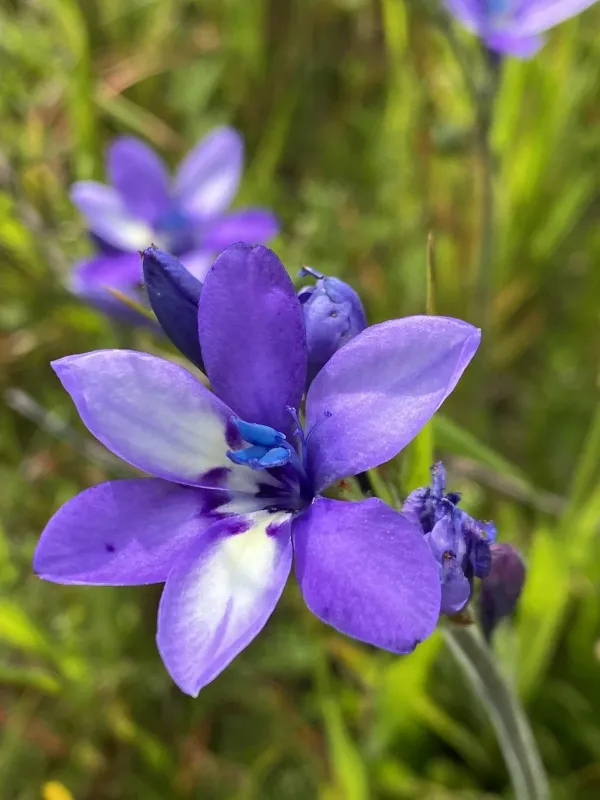
Description
Sowing dates
Babiana stricta belongs to the Iridaceae family and is a cormous perennial originating from South Africa. In temperate climates, the corms are typically planted in the spring once the soil has warmed up and the risk of late frosts has completely passed.
The planting depth for the corms should be approximately 5 to 8 centimeters, depending on the soil texture. It is crucial to space the corms 10–15 centimeters apart to ensure adequate airflow, which is essential to prevent rot in the crowded bulb beds.
The ideal planting window is between April and May, depending on the local climate. Planting in cold, damp soil significantly increases the risk of corm decay, so waiting for stable spring temperatures is a vital agronomic practice for successful emergence.
In regions where winter temperatures drop below freezing, Babiana stricta must be treated as an annual or the corms must be lifted in the autumn. After the foliage dies back, the corms are cleaned, dried, and stored in a cool, dry location at 5–10 degrees Celsius.
Cultivation in pots or containers is highly effective for this species. This method allows growers to control the growing environment, protect the bulbs from excessive rain, and easily move the plants to a frost-free area during the dormant winter phase.
Growing requirements
Native to the Cape region, Babiana stricta thrives in high-light conditions. A location with full sun exposure throughout the day is essential for producing high-quality flower stalks and preventing the plants from becoming leggy or weak.
Excellent soil drainage is the most critical requirement for this crop. Because the corms are susceptible to fungal rot in stagnant water, the soil should be amended with grit, sand, or perlite to improve permeability and prevent waterlogging around the root system.
The soil should be light, rich in organic matter, and slightly acidic to neutral, with a pH ranging from 6.0 to 7.0. This range ensures the optimal availability of nutrients, allowing the plant to develop a strong root system and vibrant flowers.
Watering should be consistent during the active growth period, keeping the substrate moist but never waterlogged. As the plant approaches its flowering phase, moisture levels should be managed carefully, and once the foliage begins to yellow, watering should be gradually reduced.
Fertilization with a balanced, low-nitrogen formula is recommended to promote root and flower development. High-nitrogen fertilizers should be avoided as they lead to excessive vegetative growth at the expense of blooming and can weaken the plant's natural resistance to diseases.
Main diseases and pests
Fungal diseases, particularly Fusarium rot, represent the most significant threat to Babiana stricta. These infections often originate in the corms and are exacerbated by poor soil drainage and high humidity levels, leading to rapid tissue death and plant collapse.
Root rot caused by soil-borne pathogens can devastate a planting site if sanitation protocols are not followed. Using fresh, pathogen-free substrate and treating the corms with a systemic fungicide before planting are standard preventive measures for the crop.
Thrips are the most common insect pests that attack the foliage and flower buds, causing stippling, discoloration, and stunted growth. Regular monitoring and the application of systemic insecticides are necessary to maintain healthy plants and prevent cosmetic damage to the flowers.
Nematodes are another potential hazard, attacking the corms and root system, often resulting in weakened plants that fail to bloom effectively. Crop rotation and using disease-free planting stock are essential strategies to minimize the risk of nematode infestation.
Slugs and snails can also cause significant damage to emerging shoots during the early spring. Keeping the area surrounding the plants clean and using protective barriers can help prevent these pests from reaching the foliage and compromising the plant's development.