
Echinopsis cinnabarina
Echinopsis cinnabarina (Hook.) Labour.
Description
Growing requirements
Echinopsis cinnabarina is a distinct species of cactus belonging to the Cactaceae family. Native to the high-altitude regions of Bolivia, this plant has adapted to survive in harsh, rocky landscapes characterized by significant diurnal temperature variations.
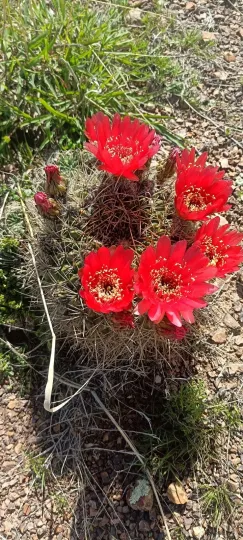
The plant features a spherical stem structure that may become slightly elongated as it matures. It is well-known for its striking, vivid red or cinnabar-colored funnel-shaped flowers, which typically emerge during the plant's active growth phase.
Cultivation of this species requires abundant bright light. A south-facing windowsill or a well-lit greenhouse is necessary to ensure the plant maintains its shape and produces flowers regularly, as low light leads to unsightly etiolation.
Soil requirements are strict, as Echinopsis cinnabarina thrives in highly porous and inorganic growing media. A mixture comprising coarse sand, grit, and a small amount of potting soil is ideal for providing the necessary drainage and aeration for the root system.
Proper irrigation involves the soak-and-dry method, where the soil must be allowed to dry out completely before any water is added. During the winter months, the plant enters a dormant stage and should be kept cool and dry to ensure a successful blooming cycle the following year.
Main diseases and pests
Root rot is the most significant threat to the health of Echinopsis cinnabarina, primarily caused by overwatering or poorly drained soil. Symptoms include darkening of the stem base and soft, mushy tissues that indicate internal collapse of the plant structure.
Spider mites are common pests that thrive in dry indoor environments. They pierce the epidermis of the cactus to extract sap, resulting in thin, brown patches or discolored areas on the surface of the stem if left untreated.
Mealybugs are another common concern, often hiding within the plant's dense spine clusters or deep in the areoles. Their presence is marked by a cotton-like white substance, which can quickly spread across the surface of the cactus.
Proactive pest control includes frequent inspections of the plant's surface and the use of appropriate systemic insecticides if an infestation is detected. It is also crucial to isolate affected plants to prevent the pests from spreading to other specimens.
To prevent fungal infections, ensuring adequate airflow around the plant is vital. Additionally, when repotting, always use sterilized tools and fresh, pathogen-free growing medium to minimize the risk of soil-borne illnesses damaging the succulent.