
Echinopsis chamaecereus
Echinopsis chamaecereus H. Friedrich & Glaetzle
Description
Sowing dates
Propagation of Echinopsis chamaecereus is most efficiently performed through stem cuttings, commonly known as offsets or pups. The ideal time for this procedure is late spring or early summer, coinciding with the beginning of the plant's active growth season.
Seed propagation is a more complex method that requires strict environmental control. Seeds should be sown in a light, sterile substrate while maintaining consistent humidity and a temperature range of +22 to +25 degrees Celsius.
Before planting the cuttings, it is crucial to allow them to callous for a few days in a shaded area. This drying process is essential to prevent bacterial and fungal rot when the cutting is introduced to the soil.
Young plants should be placed in small pots with adequate drainage holes. A container that is too large can hold excessive moisture, significantly increasing the risk of root rot during the establishment phase.
For established plants, repotting should be carried out every two to three years. The best time to refresh the soil medium is immediately after the flowering period, ensuring the plant has time to recover before the winter dormancy.
Growing requirements
Echinopsis chamaecereus, a member of the Cactaceae family, is native to the Tucuman province in Argentina. Its natural habitat is characterized by rocky, well-draining terrain, which serves as a blueprint for its horticultural requirements.
This species demands maximum sunlight to maintain its structural integrity and promote blooming. South-facing windows or greenhouses with high solar exposure are ideal to prevent etiolation and ensure vibrant, healthy stem development.
The soil must be highly porous and inorganic-heavy. Using a specialized cactus mix combined with coarse sand, perlite, or pumice is standard practice to ensure rapid water drainage and prevent root suffocation.
Environmental requirements include a mandatory cool dormancy period during winter. Temperatures should drop to between +5 and +10 degrees Celsius, with minimal to no water supplied, which mimics the natural cycle necessary for flower bud initiation.
During the growing season, irrigation should be infrequent but thorough, waiting for the soil to dry out completely between waterings. Poor ventilation or waterlogged soil will almost inevitably lead to the collapse of the plant's vascular system.
Yield
The agricultural and commercial value of Echinopsis chamaecereus is focused exclusively on the ornamental plant market. It is highly sought after by collectors and interior landscapers for its unique trailing habit and vibrant flowers.
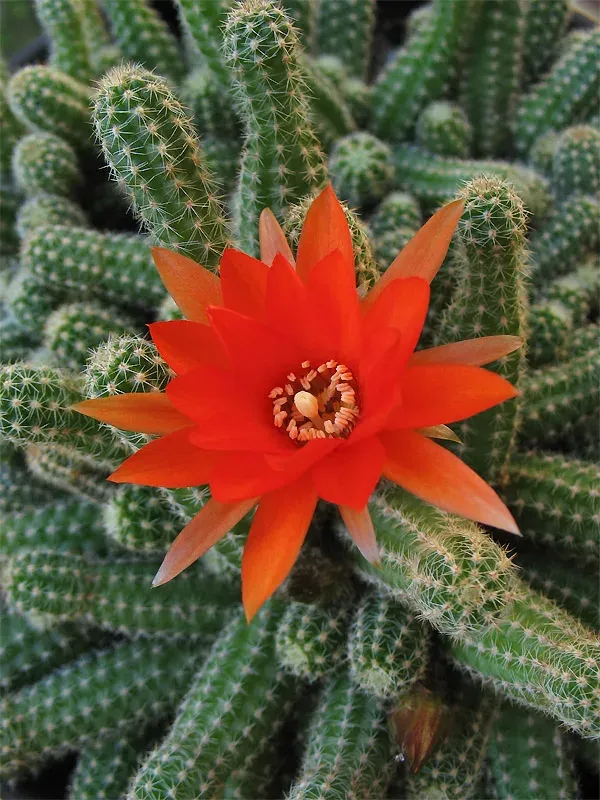
Productivity is measured by the frequency and volume of the funnel-shaped blossoms that appear on the stems. Under optimal conditions, a single plant can produce a spectacular display of deep orange-red flowers that can last for several days.
The plant is particularly valued for its growth habit, which makes it an excellent candidate for hanging baskets. Its cylindrical, segmented stems can reach significant lengths, creating a dramatic cascading effect in decorative pots.
In commercial nursery settings, selective breeding is used to enhance the plant's resilience to common stresses and to optimize its flowering performance. High-quality specimens are characterized by vigorous stems and a healthy, dense spine cover.
Sustainability in production is achieved through proper nutrient management using low-nitrogen, high-potassium fertilizers. This approach ensures the plant maintains its natural shape without becoming overly soft or prone to structural weakness.
Main diseases and pests
The primary pest threat is the spider mite, which thrives in the dry, warm environments typical of indoor cactus cultivation. Regular monitoring and maintaining proper air circulation are key preventative strategies against infestations.
Mealybugs are another common nuisance, often found hidden in the crevices between segments. These pests require prompt intervention with targeted insecticides, as they can rapidly drain the plant of nutrients if left unchecked.
Root and stem rot remain the most critical threats to the survival of the culture. These issues are almost always caused by overwatering or the use of heavy, water-retentive soil mixtures that prevent the roots from breathing.
Pathogen prevention involves keeping the stems dry during irrigation and ensuring that the substrate is completely sterile before planting. Proper sanitation of tools used for cutting is also essential to prevent the spread of disease.
- Regular inspection for mite and mealybug colonies.
- Strict adherence to a dry-cycle watering schedule.
- Use of fast-draining, grit-based soil mixtures.
- Immediate isolation of any affected individual plants.
- Adequate winter cooling to maintain plant vigor.