
Coryphantha compacta
Coryphantha compacta
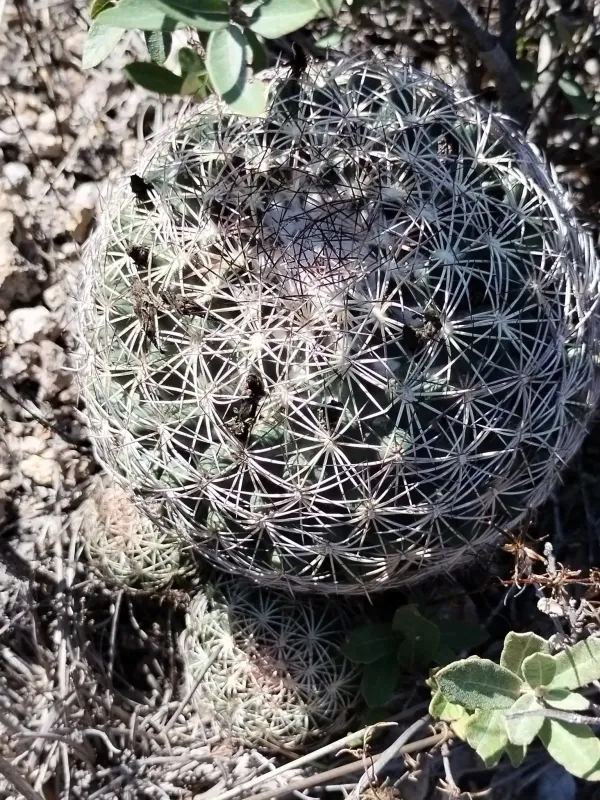
Description
Growing requirements
Coryphantha compacta is a perennial succulent belonging to the Cactaceae family. This species is native to the high-altitude regions of Mexico, where it has evolved to survive in arid, stony environments characterized by intense solar radiation and significant temperature variations between day and night.
Botanically, it features a spherical or slightly depressed stem covered with tubercles. The defining characteristic of this plant is its dense arrangement of radial spines that cover the body, providing a compact appearance and acting as a natural defense against the harsh desert climate.
Successful cultivation requires a highly permeable substrate. A mix of coarse sand, perlite, and a small amount of inorganic soil is ideal. Drainage must be exceptional, as the roots are highly susceptible to rot if excess moisture remains in the soil for too long.
Regarding climatic requirements, this plant demands full sunlight to maintain its structural integrity and spine development. Placing the plant in a shaded area will lead to etiolation, where the stem becomes elongated and weak, significantly compromising its aesthetic value and physiological resilience.
The irrigation regime should be strictly controlled, emphasizing cycles of wetting and complete drying. During the dormant winter phase, it is essential to keep the plant completely dry and in a cool environment, with temperatures ranging from 8 to 12 degrees Celsius to stimulate future flowering.
Main diseases and pests
The primary threat to Coryphantha compacta is root rot caused by improper watering techniques. When water accumulates in the root zone, it prevents oxygen uptake and encourages the proliferation of soil-borne pathogenic fungi, which can destroy the plant within a very short period.
Pests, particularly mealybugs and root aphids, pose a significant risk to the plant's vitality. These insects hide between the tubercles and the dense spines, making early detection difficult and manual removal challenging without specialized chemical treatments.
Spider mites are another frequent problem, especially in environments with low humidity and high temperatures. They feed on the epidermis, creating visible scars and discolorations that mar the appearance of the cactus and impede its photosynthetic capacity.
Maintaining proper hygiene in the growing space is crucial. Regularly cleaning the collection area and ensuring adequate ventilation helps mitigate the risk of pest outbreaks and fungal spores' distribution among susceptible plants.
If an infestation or infection is detected, the use of targeted systemic insecticides or fungicides is highly recommended. It is vital to follow the dosage instructions carefully to avoid chemical burns to the plant's sensitive epidermis while ensuring effective control of the threat.