
Borzicactus serpens
Borzicactus serpens
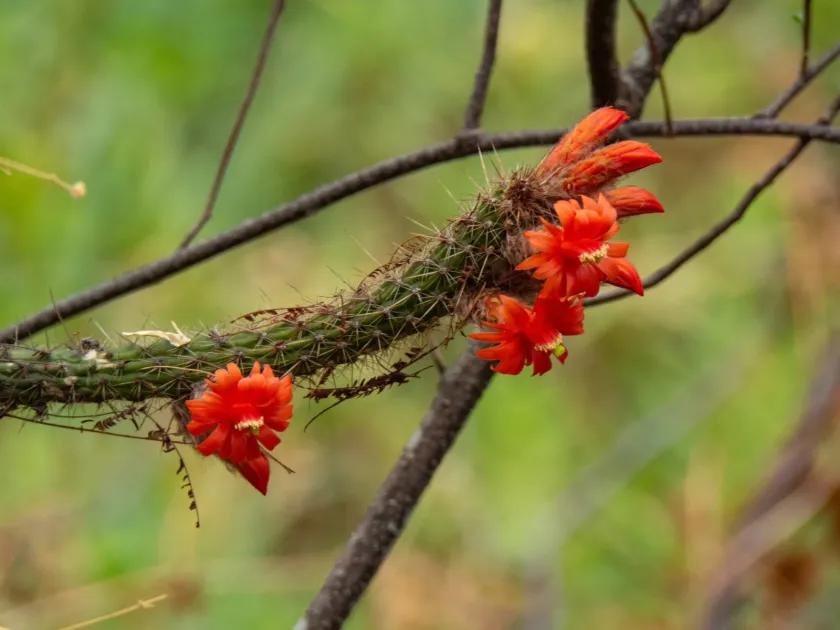
Description
Growing requirements
Borzicactus serpens is a species within the Cactaceae family. It is recognized for its slender, creeping, or trailing stems, which characterize its unique growth habit in both natural and controlled environments.
The native habitat includes the mountainous Andean regions of South America, specifically in Peru and Ecuador, where the plant thrives on rocky substrates and well-drained slopes.
For optimal growth, this culture requires bright, indirect sunlight. Exposure to harsh afternoon sun can lead to tissue damage, while insufficient light causes etiolation, reducing the plant's structural integrity.
Soil requirements focus on high porosity; a mix of mineral-based grit, perlite, and coarse sand with a small amount of organic compost is recommended to ensure rapid water drainage.
Watering frequency should be adjusted based on the growth cycle: liberal watering during the growing season is permissible only if the substrate dries out completely, while a dormant period with minimal moisture is vital for health.
Main diseases and pests
The most common pests affecting this species are mealybugs and spider mites, which can easily hide between the ribs of the stems or in small crevices.
Root rot, driven by stagnant water or excessively heavy soil, remains the primary cause of mortality in cultivated Borzicactus populations globally.
Integrated pest management involves monitoring for early signs of infestation and applying targeted systemic insecticides or horticultural oils when necessary.
To prevent disease, it is essential to maintain low humidity levels around the foliage and provide excellent air circulation within the growing area.
Regular sanitation of tools and containers, combined with the use of sterile, well-draining potting media, significantly reduces the risk of long-term fungal infection.