
Borzicactus sepium
Borzicactus sepium
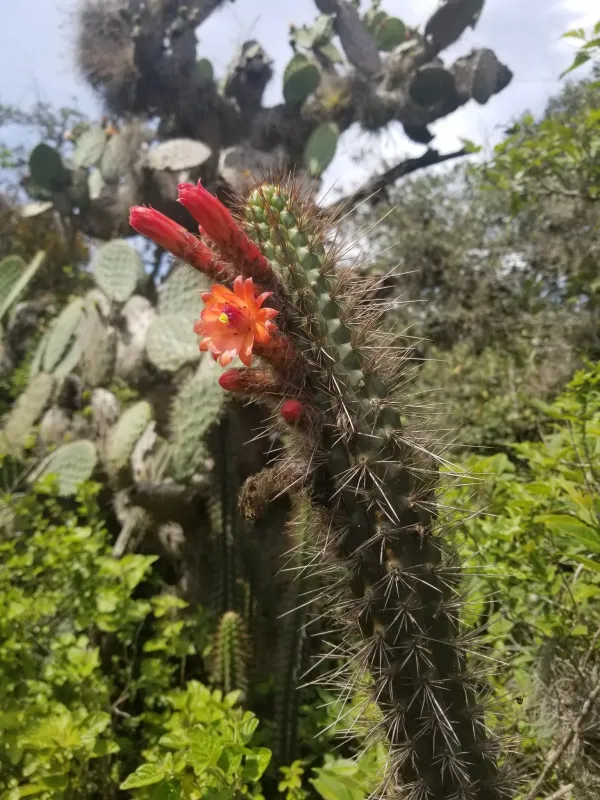
Description
Sowing dates
The propagation of Borzicactus sepium is primarily achieved through seed sowing during the spring season. Starting in March or April ensures that the increasing daylight hours provide the necessary energy for the germination and early development of the seedlings.
Seeds should be sown in a specialized, well-draining cactus substrate, typically composed of a mix of pumice, coarse sand, and a small amount of peat. The soil surface should be kept consistently moist but not waterlogged until the germination occurs.
A temperature range of 20–25 degrees Celsius is considered optimal for successful seed emergence. Utilizing a clear cover or plastic wrap helps to maintain the required humidity levels, while regular ventilation prevents the formation of mold.
Seedlings should be pricked out and transplanted into individual small pots once they develop their first characteristic spines. This allows for better access to nutrients and prevents overcrowding, which can hinder the plant's overall development.
Vegetative propagation via cuttings is also a viable method. Cuttings must be allowed to air-dry for several days to form a callus over the cut surface before being placed in a dry, porous rooting medium to prevent rot.
Growing requirements
Borzicactus sepium is a member of the Cactaceae family, native to the high-altitude regions of the Andes, particularly in Ecuador. It is a light-demanding species that thrives in full sun exposure, which is essential for maintaining a compact and healthy growth habit.
The ideal soil for this species must be highly porous and mineral-rich. A substrate consisting of gravel, coarse grit, and minimal organic matter is preferred to replicate the rocky mountain slopes where this plant grows naturally in the wild.
Watering requirements are moderate during the growing season, with the soil allowed to dry out completely between waterings. Excessive moisture, especially in the dormant winter period, is the most common cause of root failure in this culture.
These plants appreciate a significant diurnal temperature variation. Warm days followed by cooler nights help simulate their natural habitat and are crucial for the metabolic processes that support flowering and structural integrity.
During the winter months, Borzicactus sepium enters a period of dormancy. During this phase, it should be kept in a cool, dry place at temperatures around 10–12 degrees Celsius, with no water provided until growth resumes in the spring.
Main diseases and pests
Common pests include spider mites and mealybugs, which are often attracted to the plants when environmental conditions become too dry or stagnant. These pests feed on the succulent tissue, causing unsightly scarring on the cactus epidermis.
Root rot is the most significant threat to the health of Borzicactus sepium. It is usually triggered by poor drainage or overwatering, leading to the rapid decay of the root system and base of the stem through various fungal infections.
Fungal infections, such as those caused by Fusarium, can also occur if the humidity levels remain too high without adequate air circulation. Keeping the area around the base of the plant dry is a key preventive measure against these pathogens.
Regular inspection of the plant's body and root zone is essential for early detection of issues. Using a magnifying glass to check between the ribs of the cactus can help identify early signs of mealybug infestation before they spread.
In case of pest outbreak, systemic insecticides are generally effective. However, for fungal rot, physical removal of affected tissue followed by fungicide application and repotting in sterile, fresh substrate is often necessary to save the plant.