
Borzicactus icosagonus
Borzicactus icosagonus
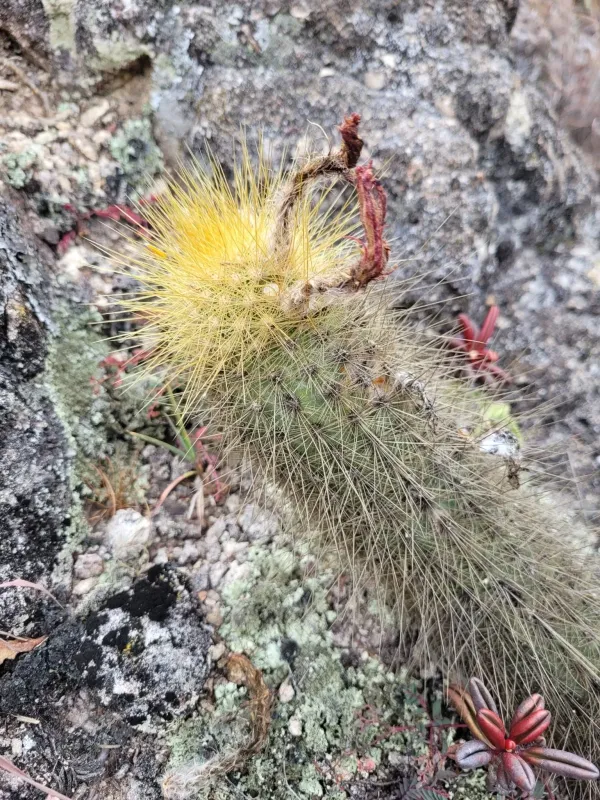
Description
Sowing dates
Sowing Borzicactus icosagonus seeds is best performed in early spring to capitalize on increasing daylight hours. A stable environment with temperatures between 22 and 25 degrees Celsius is crucial for successful germination of the seeds.
The substrate for sowing should be light, well-draining, and slightly acidic. Fine grit or perlite mixed with a small amount of peat or leaf mold creates an ideal medium that prevents the delicate seeds from drowning in excess moisture.
Containers should be covered with transparent material to maintain humidity, but daily ventilation is non-negotiable to prevent fungal damping-off. Once seedlings emerge, the covering should be gradually removed to acclimate the young plants to standard air conditions.
Transplanting should occur only when seedlings have developed enough spine structure to handle manipulation without damage. Using small pots initially helps control soil moisture and promotes a healthy root-to-shoot ratio during the early development stages.
Proper placement of young cacti requires bright, indirect light, as direct scorching sun can dehydrate seedlings too quickly. As the plants mature, they can be gradually introduced to more direct sunlight throughout the day.
Growing requirements
Borzicactus icosagonus is native to the Andean regions, thriving in well-drained, gritty soils. It belongs to the Cactaceae family and is recognized for its unique, multi-ribbed stem structure that can be both ornamental and structurally complex.
Soil requirements involve a mixture that allows rapid water drainage. A classic formula includes two parts mineral-based grit, one part leaf mold, and one part coarse river sand to ensure the roots receive adequate aeration at all times.
Watering frequency should follow a strict seasonal cycle. During the growing season, water only when the substrate has dried out completely; in winter, the plant requires a cool, dry dormancy period to mimic its natural environmental cycle.
Optimal light exposure is essential for maintaining the plant's characteristic form and dense spine production. Lack of sufficient light often results in etiolation, where the plant stretches and loses its natural, compact appearance.
Temperature management during the winter months is a critical factor for success. Providing a rest period with temperatures between 10 and 12 degrees Celsius helps trigger the plant's physiological processes necessary for spring blooming.
Main diseases and pests
The most significant threat to Borzicactus icosagonus is root rot caused by poor soil drainage or overwatering. Once rot penetrates the vascular system of the cactus, recovery becomes extremely difficult and often impossible.
Spider mites are common pests that thrive in dry, stagnant air. They often go unnoticed until small webs appear, indicating a heavy infestation that can scar the epidermis and hinder the cactus's growth significantly.
Mealybugs tend to hide in the crevices between the ribs, feeding on plant sap. These pests are identified by their white, waxy excretions and should be treated immediately with systemic insecticides to prevent spreading to other plants.
Scale insects can also attach themselves to the stem, appearing as small, brownish bumps. These can be scraped off manually, followed by a thorough application of appropriate horticultural oil or systemic treatment to eliminate survivors.
To keep the cactus disease-free, always maintain a clean environment and practice preventative care. Inspecting plants regularly and ensuring good airflow around the stems are the most effective ways to avoid these common agricultural threats.