
Aporocactus moennighoffii
Aporocactus moennighoffii
Description
Growing requirements
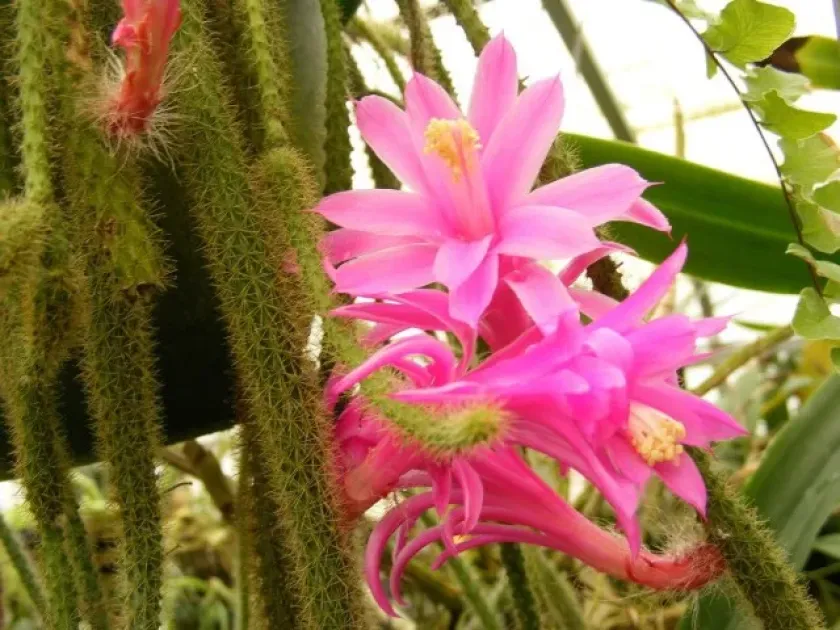
Aporocactus moennighoffii, now scientifically classified within the genus Disocactus, is a fascinating member of the Cactaceae family. Originating from the tropical forests of Mexico, this species is naturally adapted to an epiphytic lifestyle, often found growing on tree branches.
The cultural requirements for this plant emphasize bright, indirect sunlight. While it belongs to the cactus family, it does not tolerate intense, direct sun, which can cause significant tissue damage to its succulent, slender stems.
The soil substrate must be highly porous and rich in organic matter. A mixture consisting of peat, leaf mold, and coarse sand or pumice ensures that the roots have enough oxygen while maintaining the necessary moisture retention for a tropical epiphyte.
Effective management requires mimicking the natural climate by maintaining moderate temperatures and adequate air humidity. During the growing season, consistent moisture is vital, whereas, in the dormant period, the plant requires a cool, dry environment to stimulate flower development.
In cultivation, this plant is primarily valued as an ornamental specimen for hanging baskets. Its unique ability to trail long, slender stems creates a visually appealing display, making it a sought-after addition for collectors and interior vertical gardening.
Main diseases and pests
Common pests affecting this species include mealybugs, which tend to hide in the joints of the stems, and spider mites, which thrive in dry indoor conditions. Early detection and treatment with mild insecticides are effective.
Root rot, induced by overwatering and poor drainage, remains the most critical threat. Ensuring that the substrate dries slightly between waterings is the primary strategy for maintaining plant health and longevity.