
Aporocactus martianus
Aporocactus martianus
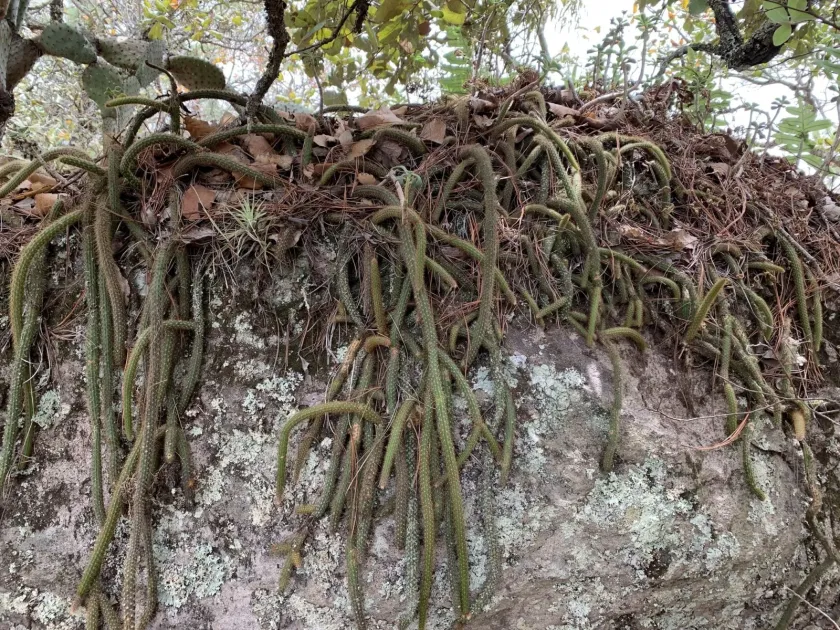
Description
Growing requirements
Aporocactus martianus is a distinct species within the Cactaceae family, native to the tropical forests of Mexico. Unlike desert cacti, this species has evolved as an epiphyte, preferring to grow on trees and rocks in its natural environment.
The cultural requirements demand bright, indirect sunlight to ensure healthy stem development. In indoor settings, placing the plant near an east or west-facing window provides the necessary intensity without the risk of direct scorching of the delicate tissues.
The substrate must be highly porous and well-draining, typically consisting of a mix of potting soil, coarse sand, and perlite. A high-quality drainage layer at the bottom of the pot is essential to prevent moisture accumulation around the roots.
Watering frequency should be balanced: during the active growth phase, the soil should be kept moist but allowed to dry out slightly between waterings. In winter, the plant enters a dormant phase where water intake is drastically reduced to mimic seasonal shifts.
Physiologically, the plant is characterized by long, slender, cylindrical stems covered with small, soft spines. During the blooming season, it produces vivid, funnel-shaped flowers, making it highly prized for decorative use in hanging baskets and indoor collections.
Main diseases and pests
Spider mites are the most common pest, especially in environments with poor air circulation and low humidity. Their presence can be identified by fine webbing on the stems and stippling of the surface.
Root rot, primarily caused by waterlogged soil and poor drainage, represents the most significant threat to the plant's survival. Symptoms include softening of the stem base and a general loss of turgor.
Effective management involves the use of targeted acaricides for mites and strict adherence to moisture control protocols. Infected plant tissue should be isolated and surgically removed to prevent spreading.
Mealybugs may also infest the plant, hiding in the crevices between stems and spines. Manual removal with a cotton swab dipped in alcohol is often sufficient for minor infestations.
Maintaining a clean growing environment and avoiding high-nitrogen fertilizers helps prevent outbreaks. Regular health inspections remain the best practice for long-term successful cultivation.