
Rat tail cactus
Aporocactus flagelliformis
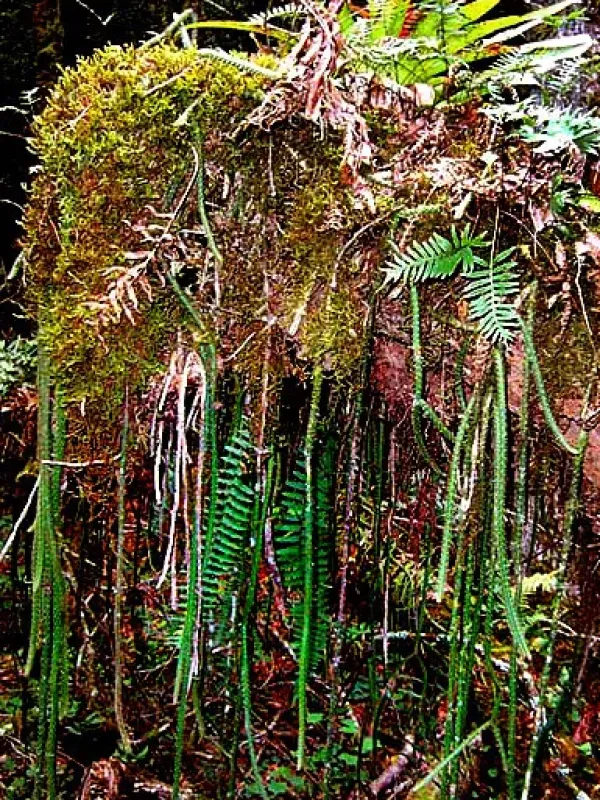
Description
Growing requirements
The Rat tail cactus (Aporocactus flagelliformis) is a member of the Cactaceae family, known for its distinctive long, trailing stems. Native to Mexico, it typically grows in an epiphytic manner, clinging to tree trunks or rocky crevices in tropical forests.
To ensure optimal development, the plant requires bright, filtered sunlight. While it appreciates high light intensity, direct midday exposure should be avoided to prevent scorching the delicate epidermis of the stems.
Soil requirements focus on excellent drainage and aeration. A mixture containing coarse sand, perlite, and organic leaf mold is ideal for providing the necessary root environment for this species.
Climate conditions should mimic its native tropical habitat. During the summer months, temperatures should range between 20 to 25 degrees Celsius. A winter rest period at temperatures around 12 to 15 degrees is crucial for triggering spring blooming.
Watering frequency should be moderate, allowing the soil to dry out between sessions. Over-saturation is highly detrimental to this cactus and can lead to rapid decay of the hanging stems.
Main diseases and pests
Spider mites are the most prevalent pest for this species. They thrive in dry indoor air, necessitating regular misting or increased ambient humidity to keep the population under control.
Mealybugs are another common nuisance that can be found in the crevices between stem segments. Early detection and application of horticultural oils or insecticidal soaps are recommended for eradication.
Root rot, caused by fungal pathogens in waterlogged soil, is a critical threat. The primary symptoms include the softening and browning of the base of the stems, requiring immediate intervention.
Stem spot diseases can occur if there is poor air circulation. Ensuring a steady airflow around the trailing stems helps in preventing moisture-related infections and fungal growth.
To maintain plant health, it is essential to monitor for any changes in stem texture. Providing a consistent regime of light and water serves as the best natural defense against most common pests and diseases.