
Mojave yucca
Yucca schidigera
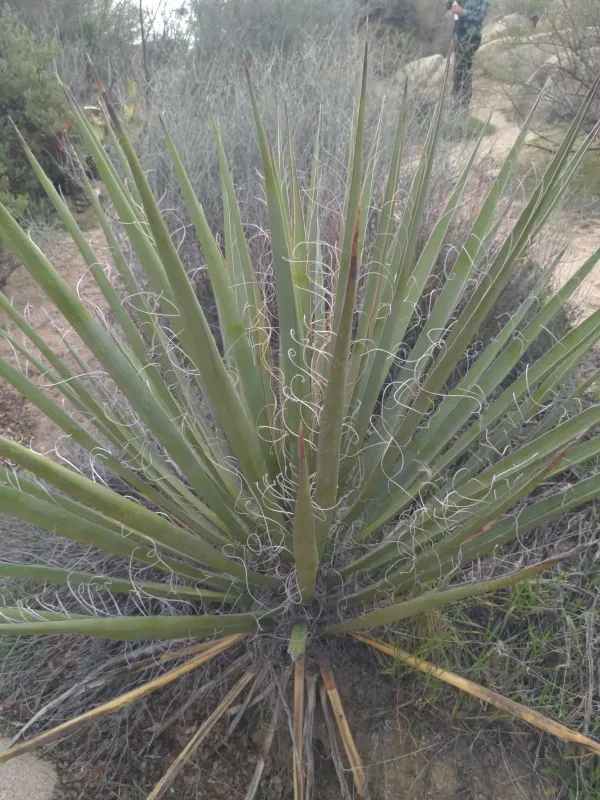
Description
Sowing dates
Commercial propagation of the crop is most often carried out through vegetative methods rather than seeds. Cuttings or rhizome division allows for the preservation of the genetic traits of cultivars known for high saponin concentration.
The optimal time for transplanting saplings is during the spring when the soil warms up significantly, facilitating the rapid adaptation of the root system to new conditions.
When using seed propagation, planting is conducted in controlled greenhouse environments using a light sandy substrate that ensures excellent drainage.
Young plants require protection from direct sunlight during the first few weeks after being planted in open fields until they reach full acclimatization.
Planting density is calculated based on the intended use; for raw material production from trunks and leaves, maintaining appropriate distance is essential for optimal light exposure.
Growing requirements
Yucca schidigera is a perennial evergreen plant of the Asparagaceae family, adapted to the extreme conditions of deserts and semi-deserts in the southwestern United States and Mexico.
The crop is highly demanding of intense solar radiation; even partial shading results in slowed growth rates and a decrease in the accumulation of bioactive compounds.
Soils must be well-aerated, primarily sandy or rocky, with a neutral to slightly alkaline pH, which prevents water stagnation around the root zone.
The plant exhibits high drought resistance; however, to achieve commercial yield targets during the early stages of life, drip irrigation is necessary during dry seasons.
A crucial factor for successful development is low ambient humidity, which prevents the development of fungal infections common in humid climates.
Yield
Commercial harvesting involves processing both the aerial parts (leaves) and the rhizomes, as both contain the highest concentration of steroid saponins.
Crop yield is not measured annually but upon the plants reaching commercial maturity, which usually occurs 5–7 years after the initial plantation establishment.
The intensity of output for the target product — yucca extract — depends on extraction techniques and the purity of raw materials sourced from ecologically clean regions.
Modern technologies allow for the processing of almost the entire plant biomass, making the economics of cultivating this crop highly efficient for agricultural producers.
After harvesting the main volume of biomass, mandatory replanting is performed on the plantation to ensure the continuity of the production cycle.
Main diseases and pests
The primary threats to young Yucca schidigera plantations are root rots, which occur due to over-irrigation and poor soil drainage.
Pests, such as mealybugs or spider mites, may infest leaf rosettes during prolonged heat waves, requiring constant monitoring of the plantation status.
Improper agronomic practices that weaken the plant often become the catalyst for the spread of various phytopathogenic bacteria.
Integrated pest management methods are applied to minimize the use of aggressive chemicals, as the raw material is intended for the animal feed industry.
Disease prevention is based on strict adherence to irrigation schedules and ensuring high-quality air ventilation between rows to keep the plants healthy.
Harvesting
Harvesting Yucca schidigera is a labor-intensive process requiring specialized machinery for deep extraction of rhizomes from dense, dry desert soils.
Leaf harvesting can be performed partially to avoid suppressing the plant's vitality if the primary goal is long-term exploitation of a single plantation.
Following primary processing, the material is immediately sent for drying and subsequent extraction of active components in industrial settings.
The quality of harvested material directly impacts the standards for food and feed additives, so harvesting is conducted only during dry weather to prevent decay.
Proper logistics from the field to the processing facility is a critical link that allows for the preservation of the biological value of saponins in the final extract.