
Rock Yucca
Yucca rupicola
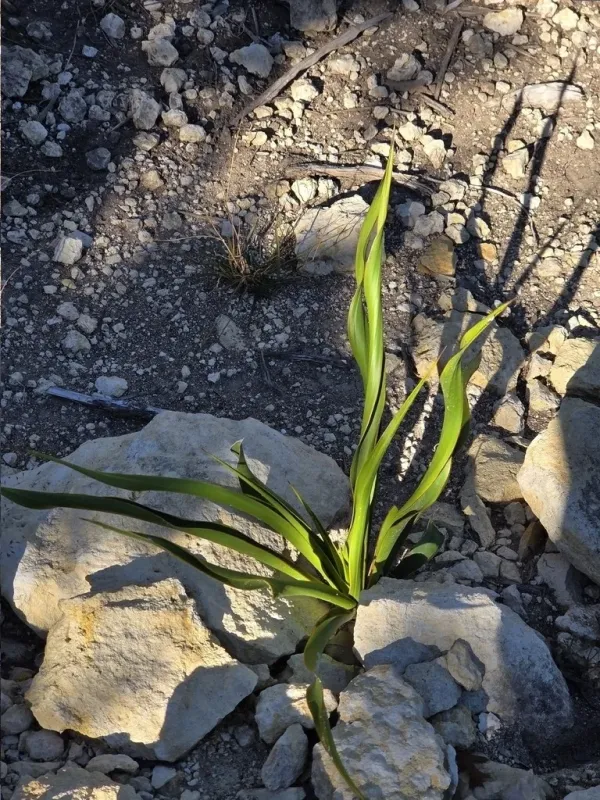
Description
Growing requirements
Rock Yucca (Yucca rupicola) is a member of the Asparagaceae family, native to the limestone outcroppings and dry rocky slopes of Texas and northern Mexico. It is a striking perennial evergreen plant characterized by its rosette of slender, twisted, and wavy-edged leaves.
The plant thrives in full sun and requires exceptionally well-draining soil to mimic its natural desert habitat. If planted in heavier clay soils, amendments like coarse sand or expanded shale are essential to prevent root rot, which is the primary cause of plant failure.
In terms of climate, it is highly drought-tolerant once established. It thrives in arid environments and is best suited for xeriscaping or rock gardens where soil moisture can be strictly managed through natural slope runoff.
Temperature tolerance is a key feature, as it handles intense heat well. However, during the winter months, it is crucial to ensure that the crown of the plant remains dry to prevent damage from frost and moisture combination.
The cultural requirements are minimal, as the species does not rely on heavy nutrient loads. In fact, over-fertilization can lead to weak, elongated growth, which compromises the architectural integrity of the plant's natural rosette shape.
Main diseases and pests
The most significant threat to Rock Yucca is the development of fungal infections, particularly root rot, resulting from stagnant water around the root zone. Ensuring excellent soil drainage is the most effective preventative measure against these pathogens.
Pests such as scale insects and mealybugs can infest the plant, hiding deep within the tight leaf bases. Regular monitoring of the plant's central rosette is necessary to identify infestations early before they cause significant damage.
Leaf spot diseases may occasionally affect the foliage, especially in climates with high humidity or poor air circulation. Improving spacing and removing dead, decaying foliage helps maintain a healthy environment for the plant.
Agave snout weevils and other borers can occasionally target plants in the Yucca family, causing rapid collapse of the central stem. Proper hygiene and keeping the plant in a state of high vigor are the best defenses against these borers.
When applying pesticides, it is recommended to use formulas that can adhere to waxy leaf surfaces, ensuring the treatment reaches deep into the base of the foliage where pests typically congregate.