
Adams needle
Yucca flaccida
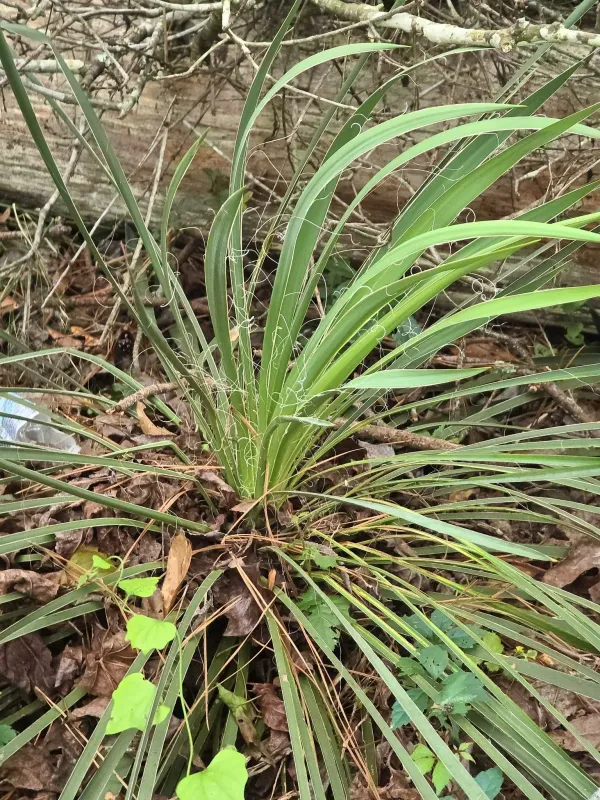
Description
Sowing dates
Propagation of Adams needle (Yucca flaccida), a member of the Asparagaceae family, is primarily performed through vegetative methods. The most effective approach is the division of mature clumps or the transplanting of daughter offsets during the early spring as the plant emerges from dormancy.
While seed propagation is possible, it is rarely used in large-scale agricultural practice due to the slow maturation of seedlings and their variable genetic traits. If seeds are used, they require a sandy, well-draining substrate and consistent temperatures between 20-25 degrees Celsius for optimal germination.
Seedlings or offsets should be transplanted into prepared outdoor plots once the risk of severe frost has passed. It is crucial to space the plants appropriately, allowing for the wide, rosetted growth pattern typical of this species to develop without competition.
The planting depth should align with the original crown level of the offsets to prevent decay of the growing center. Immediate and thorough watering after planting helps settle the soil and promotes the rapid establishment of the root system.
Selecting an ideal site is critical, as Adams needle requires full sun exposure to thrive. Insufficient light results in elongated, weak leaves, which reduces the overall quality and strength of the fiber harvested from the foliage.
Growing requirements
Yucca flaccida is highly sensitive to soil drainage, making the selection of an appropriate site paramount. Waterlogged soils are detrimental to the plant, quickly leading to root rot and systemic failure of the crop.
The plant performs best in sandy or light loamy soils with a neutral to slightly alkaline pH. It is famously drought-tolerant, capable of thriving in arid climates where other crops might require consistent irrigation, thanks to its deep, carbohydrate-storing root structures.
While the plant is hardy and adapted to nutrient-poor soils, modest mineral fertilization can significantly enhance biomass production. Nitrogen-based fertilizers should be applied sparingly, as over-fertilization can lead to soft, succulent growth prone to damage.
Adams needle is remarkably cold-hardy, surviving temperatures as low as minus 20-25 degrees Celsius, provided the soil remains relatively dry during the winter months. Excess winter moisture combined with freezing temperatures can cause tissue damage.
Regular cultivation of the soil surface around the plants promotes aeration and helps manage weeds that could compete with the slow-growing yucca rosettes. Proper soil management ensures the long-term productivity of the plantation.
Yield
The economic value of Adams needle lies primarily in its tough, rot-resistant leaves, which are harvested for their high-quality fiber content. Under commercial management, yields are optimized by maintaining consistent plant density and healthy soil conditions.
The fibers derived from Yucca flaccida are prized for their strength, elasticity, and durability, making them suitable for specialized cordage, durable textiles, and industrial padding. Leaves reach technical maturity for harvest typically 3-4 years after initial planting.
Beyond fiber, the plant is a valuable source of steroid saponins, which are extracted for use in the pharmaceutical industry. These compounds serve as precursors for various hormonal medications, increasing the crop's total economic potential.
A well-maintained plantation can remain productive for over a decade. Periodic harvesting of the outer, mature leaves allows the center of the rosette to continue producing new foliage, ensuring a sustainable cycle of production.
Harvesting efficiency is greatly enhanced when modern decortication equipment is situated near the field, minimizing the time between cutting the leaves and separating the fiber from the pulp.
Main diseases and pests
Fungal pathogens such as Cercospora leaf spot and gray mold represent the primary biological threats to Adams needle. These diseases thrive in environments with poor air circulation and excessive humidity, requiring careful management of plant density.
Scale insects and spider mites are common pests that feed on the leaf sap, leading to stunted growth and reduced fiber quality. Monitoring for these pests is essential, as early intervention with systemic insecticides is highly effective.
Nematode infestations can pose a hidden threat, particularly in sandy soil types. These pests damage the root system, which may not be immediately obvious until the plant shows severe signs of chlorosis or decline.
Preventative measures include maintaining proper drainage, ensuring adequate spacing between plants, and practicing effective crop rotation where possible. Removing infected plant material promptly helps prevent the spread of localized outbreaks.
Integrated pest management, combining physical inspection with targeted chemical applications, provides the best protection for ensuring a high-quality harvest of fiber-rich leaves.
Harvesting
The harvest of Adams needle leaves is a labor-intensive process that requires precision to maintain the viability of the mother plant. Collectors typically select the lowest, most mature leaves while leaving the central rosette intact for future growth.
Late summer to early autumn is the preferred time for harvesting, as the fiber content within the leaves is at its peak. The harvested leaves must be handled carefully to avoid bruising, which can initiate premature degradation of the fiber.
Once collected, the leaves are transported to processing facilities for decortication. Mechanical decorticators strip away the pulpy material, leaving behind the long, strong strands of fiber that are then cleaned and dried.
Post-harvest management involves applying fertilizers to support the plant's recovery before the arrival of winter. Keeping the plantation area clear of debris reduces the risk of harboring overwintering pests or pathogens.
Properly processed fiber should be stored in cool, dry, and well-ventilated conditions. Moisture control is critical during storage to prevent the growth of mold or mildew, which can destroy the structural integrity of the harvested material.