
Veltheimia
Veltheimia Gled.
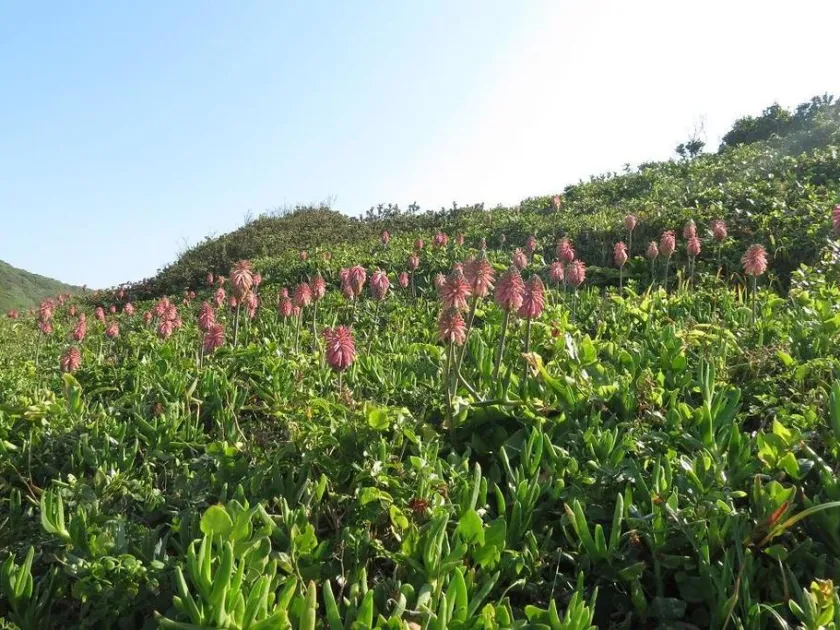
Description
Sowing dates
Veltheimia is typically propagated by separating offsets or daughter bulbs from the main bulb during the plant's dormant period.
Propagation from seed is also a viable method, though it requires fresh seeds and careful monitoring of moisture levels to ensure successful germination.
When planting, the bulb should be placed in a well-draining soil mix consisting of loam, leaf mold, and a significant amount of coarse sand.
It is essential to plant the bulb so that the neck remains above the soil surface, as burying the entire bulb can lead to rot.
The best time to repot or plant Veltheimia is in late summer, just before the onset of the active growing season.
Growing requirements
Veltheimia is a genus of bulbous plants belonging to the Asparagaceae family, native to the diverse landscapes of South Africa.
The plants thrive in bright, filtered light and should be protected from harsh, direct sunlight that can easily damage their foliage.
Maintaining a cool environment is crucial, especially during the winter months, to support the plant's natural cycle and promote blooming.
Watering practices must be disciplined; allow the soil to dry out between waterings to prevent the bulbs from sitting in waterlogged conditions.
During the summer dormancy period, when the plant sheds its leaves, irrigation should be withheld entirely to allow the bulb to rest effectively.
Main diseases and pests
The most significant threat to Veltheimia is root and bulb rot, which is almost exclusively caused by overwatering or poor soil aeration.
Pests such as mealybugs and scale insects may infest the leaves, requiring prompt intervention with appropriate horticultural soaps or systemic pesticides.
Fungal issues are common if the environment lacks sufficient airflow, making ventilation a key component of successful cultivation.
Regular inspection of the plant is recommended to catch pest infestations early before they spread to the rest of the plant's tissue.
Avoiding moisture accumulation in the crown or around the neck of the bulb is the most effective preventative measure against decay.