
Tractema
Tractema
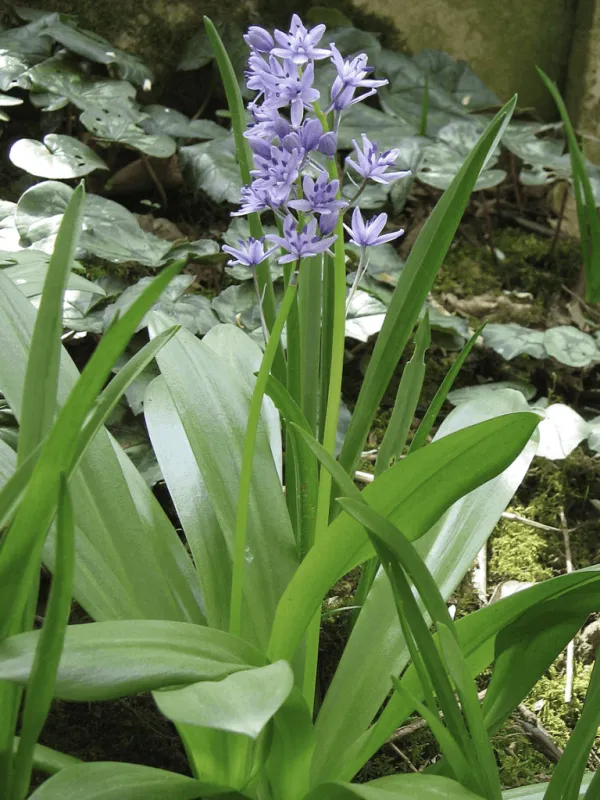
Description
Sowing dates
Sowing of Tractema is typically conducted in the spring when the soil temperature at seeding depth reaches a stable 8–10 degrees Celsius. The optimal planting window aligns with the commencement of field operations for early-season cereal crops.
In regions with mild climates, late-autumn planting is possible, allowing plants to utilize melted snow moisture for earlier vegetation growth. However, this method requires precise control of seeding depth to prevent premature germination during winter thaws.
The seeding rate is calculated individually based on germination rates and the biological characteristics of specific varieties. On average, 12 to 18 kilograms of seed per hectare are used for standard row planting methods.
Ensuring consistent germination requires strict adherence to planting depth, which for Tractema is typically 2–3 centimeters. Planting too deep significantly reduces seedling vigor, often leading to sparse crop stands.
After seeding, the field must be rolled to improve soil-to-seed contact. This practice promotes the capillary movement of moisture toward the seeds, accelerating uniform emergence across the entire field.
Growing requirements
Tractema prefers well-drained loamy or sandy loam soils with a neutral to slightly acidic pH level. The crop is highly sensitive to waterlogging and high levels of soil salinity, which can severely hinder its development.
The plant has moderate temperature requirements, thriving in temperate climatic conditions. While it can withstand short cold snaps, prolonged frost during active growth stages may negatively impact potential yield.
Agronomic management requires regular application of nitrogen-phosphorus fertilizers during critical growth phases. Supplying nutrients during the vegetative mass formation and the onset of flowering is particularly vital for optimal biomass production.
The crop possesses moderate drought tolerance, but for maximum productivity, consistent irrigation is necessary during periods of low rainfall. Moisture deficits significantly slow down growth rates and degrade the nutritional quality of the biomass.
Soil management systems should include deep autumn plowing followed by spring harrowing to conserve soil moisture. This preparation creates an ideal soil structure conducive to the development of Tractema's deep root system.
Yield
Tractema yields are directly dependent on the intensity of the agronomic practices and soil fertility. With optimal conditions and proper management, the average green mass yield can reach up to 30 tons per hectare.
The amount of seed harvested from commercial fields varies depending on the seasonal climatic patterns. In favorable years, farmers achieve high germination percentages through proper post-harvest processing.
Weed control during the early growth period is a critical factor for final yield. Because Tractema develops its leaf canopy relatively slowly, it is highly vulnerable to competition from weeds during the first weeks.
Regular micronutrient supplementation not only increases green mass volume but also enhances the feed value of the raw material. This is crucial for farmers utilizing the crop as a high-protein component in livestock rations.
Optimizing plant density is key to realizing a variety's full yield potential. Overcrowding leads to smaller leaf surface area and competitive stress, which can inhibit the development of individual plants within the stand.
Main diseases and pests
The primary pests affecting this crop include various species of weevils and leaf-eating insects. These can cause significant damage to young seedlings, often necessitating preventive insecticide treatments to protect the stand.
Fungal diseases, such as powdery mildew and various leaf spots, frequently occur in seasons with high atmospheric humidity. Timely application of broad-spectrum fungicides is the recommended strategy for managing these threats.
Phytopathology prevention begins with the use of high-quality, treated seed material. This practice significantly reduces the risk of crop infection from soil-borne or seed-surface pathogens during the early growth stages.
Adhering to crop rotation schedules is the most effective method for managing soil-borne infection pressure. It is recommended not to plant Tractema in the same field more frequently than every 3–4 years to prevent pathogen accumulation.
Upon detecting the first signs of pest infestation, rapid monitoring and intervention are necessary to contain the spread. Ignoring initial symptoms can lead to substantial yield losses and a reduction in overall crop quality.
Harvesting
Harvesting for green mass typically begins at the onset of flowering, when nutrient content in the plant reaches its peak. At this stage, fiber structure is optimal for animal digestion and preservation of energetic value.
Forage harvesters are used to collect the crop, ensuring uniform shredding of the biomass. This is essential for high-quality ensiling or haylage preparation, which remain the primary methods for utilizing Tractema as livestock feed.
Seed production fields are harvested using swathing or two-stage harvesting methods once pods or inflorescences have fully matured. This approach minimizes losses of valuable seeds, which can be prone to shattering if overdried.
Harvesting in dry weather is crucial, as moisture on plant surfaces promotes rotting during storage. Thorough drying of the harvested bulk is mandatory to maintain seed viability.
Post-harvest processing involves cleaning with separators and grading to meet high quality standards. Storage of Tractema seeds requires well-ventilated areas with low humidity to prevent overheating and fungal development.