
Rosen's squill
Scilla rosenii
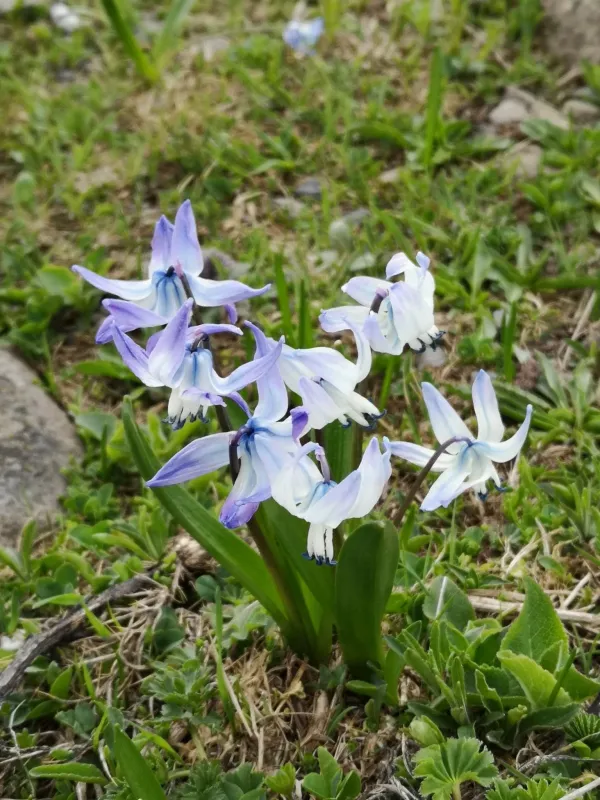
Description
Sowing dates
Rosen's squill is primarily propagated by dividing bulb clusters during the dormancy phase to ensure plant vitality.
The ideal time for planting and dividing bulbs is late summer to early autumn, just before the start of the winter cold season.
Seed propagation is a long-term process, typically taking several years for the plants to reach their first flowering stage.
Seeds should be sown in prepared nursery beds with moist soil to mimic the natural germination cycle of the species.
When planting, ensure that bulbs are buried at a depth of about 8 to 10 centimeters to protect them from fluctuating soil temperatures.
Growing requirements
Belonging to the Asparagaceae family, this species originates from the high-altitude regions of the Caucasus, favoring cooler climates.
The plant thrives best in semi-shaded areas, making it an excellent choice for woodland gardens or beneath deciduous trees.
Well-drained, humus-rich soil is essential for the healthy growth and development of the bulbous root system.
Neutral to slightly acidic soil pH levels are optimal, facilitating the efficient uptake of necessary nutrients during the growing season.
Moderate irrigation is required during the active spring growth period, while reduced watering is needed once the foliage fades.
Main diseases and pests
Fungal diseases, particularly basal rot, pose a significant threat when soil drainage is poor or moisture levels are consistently too high.
Pests such as bulb mites and various soil-dwelling insects can cause damage to the root system and bulb structure.
Poor ventilation in dense plantings can lead to the proliferation of mold, necessitating adequate spacing between individual plants.
Integrated pest management, including chemical or organic fungicides, should be applied preventively to protect the planting stock.
- Regular monitoring for discoloration or wilting leaves is crucial for the early detection and management of pathogens.