
Scilla peruviana
Scilla peruviana
Description
Sowing dates
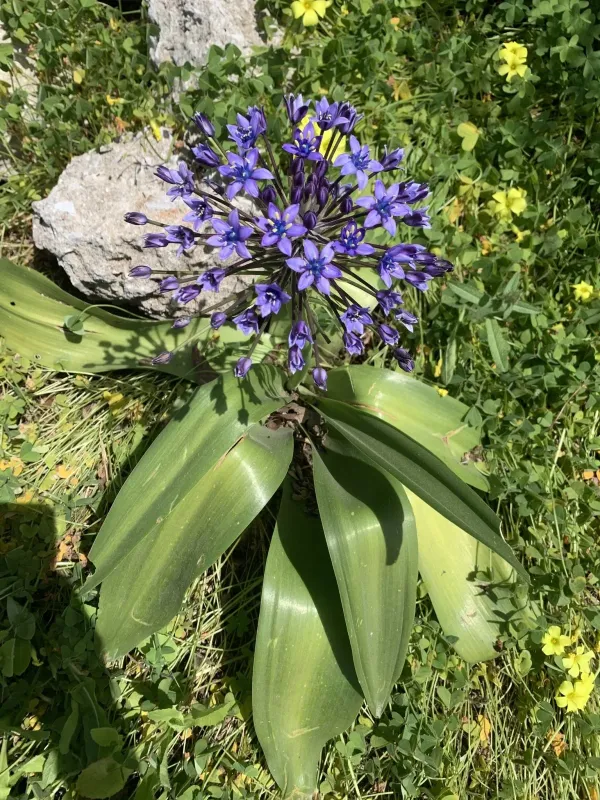
Scilla peruviana belongs to the Asparagaceae family and is a prized bulbous perennial known for its dense, cone-shaped inflorescences.
Planting bulbs is typically performed in the autumn to ensure that the root system develops sufficiently before the dormancy period begins.
When propagating through seeds, it is recommended to sow them in early spring within controlled environments like greenhouses to ensure high germination rates.
The planting depth should be approximately twice the height of the bulb, with a spacing of about 20 centimeters between individual plants.
Strategic site selection is essential; the plant requires a spot where it can receive consistent sunlight, which is vital for robust flower production.
Growing requirements
This species originates from the western Mediterranean region, thriving in well-drained, fertile soil with a neutral or slightly acidic pH balance.
It is crucial to maintain a proper irrigation schedule; while the plant needs moisture during its growth phase, it requires dry soil during summer dormancy.
The plant is not fully hardy in extremely cold climates and often benefits from protection or being containerized to avoid freezing temperatures.
Proper aeration is necessary, so the soil structure should be loose and sandy to prevent moisture retention that can lead to rot.
Fertilization with a balanced low-nitrogen mix during the early spring supports healthy bulb development and bright floral displays.
Main diseases and pests
Fungal diseases, particularly grey mould (Botrytis), are the most significant threats to Scilla peruviana in environments with poor ventilation.
Root-feeding pests such as bulb mites can cause significant damage to the plant's foundation, leading to stunted growth or complete collapse.
Gastropods like slugs can be highly destructive during the early growth stages, consuming emerging leaves and tender tissues.
Improper drainage often facilitates the growth of soil-borne pathogens, which can destroy the bulbs throughout the dormant season.
- Always ensure the planting area has excellent natural drainage.
- Inspect bulbs for signs of damage or decay prior to planting.
- Apply preventative organic treatments if slugs or mites are detected early.
Harvesting
Seed harvesting should occur once the seed pods have naturally dried on the stem and turned brown, indicating maturity.
After collection, seeds must be stored in a cool, dry, and dark location until they are ready for planting in the subsequent spring.
Bulbs are harvested for division only after the foliage has fully withered and entered the natural senescence phase.
Clean the harvested bulbs carefully and remove any damaged scales before storing them in a well-ventilated container filled with sand or peat.
Maintaining a steady temperature during storage prevents the bulbs from sprouting prematurely or decaying prematurely.