
Scilla odorata
Scilla odorata
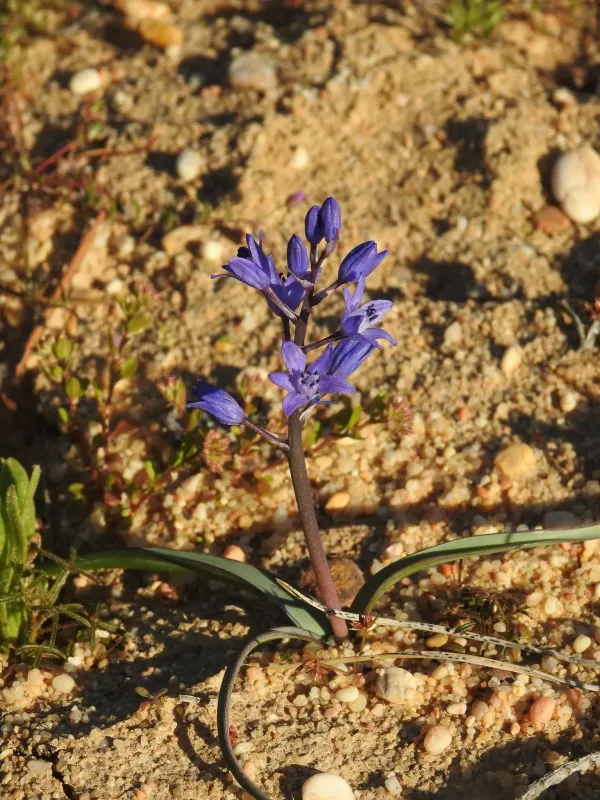
Description
Sowing dates
The planting of Scilla odorata is typically performed in the autumn, specifically from September to October. Planting before the ground freezes allows the bulbs to establish a robust root system before the winter dormant period.
The depth of planting should be approximately three times the height of the bulb. This depth protects the bulb from temperature fluctuations and helps maintain stability throughout the growing season.
Propagation can be achieved through bulb offsets or seeds. When using seeds, they should be sown immediately after ripening, although gardeners should be aware that the plant requires several years to reach maturity and flower.
A spacing of 10–15 centimeters between bulbs is recommended to ensure proper airflow. Adequate space prevents overcrowding, which is a common cause of humidity-related issues in bulbous crops.
Adding a layer of organic mulch, such as compost or peat, over the planting site helps preserve moisture and provides a slight thermal insulation layer during the coldest weeks of winter.
Growing requirements
Scilla odorata belongs to the Asparagaceae family and is an ephemeral plant adapted to woodland environments. It thrives in locations with dappled shade, which protects it from the harsh intensity of direct afternoon sun.
The soil must be fertile, well-draining, and rich in organic matter. Sandy loam is generally preferred to prevent water stagnation, which can lead to bulb rot, particularly during the transition from winter to spring.
Soil pH should ideally be neutral or slightly acidic. If the soil is heavy clay, incorporating grit or sand is essential to improve aeration and facilitate the rapid drainage of snowmelt water.
This species is exceptionally cold-hardy, as its natural phenology is triggered by the thawing of the ground. It is specifically evolved to emerge early in the spring, often when other plants are still dormant.
Watering requirements are highest during the spring growth phase. Once the foliage begins to yellow and the plant enters dormancy, supplemental watering should be minimized to allow the bulbs to rest completely.
Main diseases and pests
Fungal diseases, specifically gray mold (Botrytis) and Fusarium, are the most frequent threats to the health of the bulbs, usually exacerbated by excessive soil moisture and poor drainage conditions.
Viral infections can impact the plant, leading to stunted growth or discolored foliage. These are often spread by insect vectors such as aphids that inhabit the garden during the spring months.
Pests such as bulb mites and nematodes pose a significant risk, as they target the bulb's basal plate. An infestation often results in a failure to flower and the premature collapse of the vegetative parts.
Small rodents can be a major issue, as they find the bulbs to be a high-nutrient food source during winter months. Using wire mesh cages is a common protective strategy for valuable bulb collections.
Effective management includes maintaining strict sanitary conditions, discarding any bulbs that appear soft or decayed, and ensuring that drainage is optimized before planting new batches.