
Scilla nana
Scilla nana
Description
Growing requirements
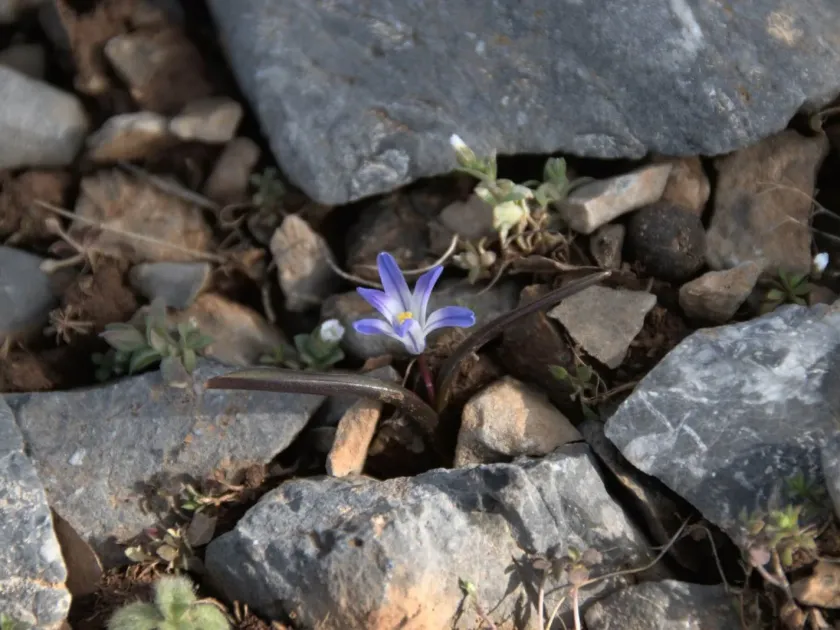
Scilla nana is a perennial bulbous plant belonging to the Asparagaceae family. Native primarily to the rocky mountain regions of Turkey, this species is well-adapted to high-altitude environments where it completes its life cycle during the brief spring season.
As a dwarf species, it is highly valued in ornamental horticulture for its compact growth habit and early blooming period. The plant produces small, delicate flowers that rise directly from the bulb, making it ideal for rock gardens and borders.
Successful cultivation requires soil with excellent drainage properties to prevent bulb rot. A neutral to slightly acidic pH is ideal, and the soil should be rich in organic matter to support the rapid growth phase during the spring.
The plant thrives in full sun to partial shade. Exposure to sunlight is critical during the active growth phase, as it provides the energy required for the plant to store nutrients in the bulb for the subsequent year's dormancy period.
The maintenance routine is minimal, focusing on ensuring that the soil remains relatively dry during the summer dormancy phase. Over-irrigation during this time can be detrimental, leading to physiological disorders of the bulb.
Main diseases and pests
The primary threats to Scilla nana involve fungal pathogens, particularly those causing bulb and root rot, which are often exacerbated by poor drainage and excessive soil moisture.
Infections such as Fusarium wilt can severely impact population health. It is essential to ensure that planting material is free from visible damage and has been properly stored before introduction to the field.
Pests such as bulb mites and various larvae can damage the root system, weakening the plant and making it susceptible to secondary infections from bacteria and fungi.
Preventive agricultural practices include selecting well-draining sites, implementing proper spacing to improve airflow, and avoiding dense plantings that promote the spread of pathogens.
Integrated pest management strategies should be adopted to monitor for signs of infestation, using chemical or biological treatments only when threshold levels of damage are identified.