
Scilla monophyllos
Scilla monophyllos
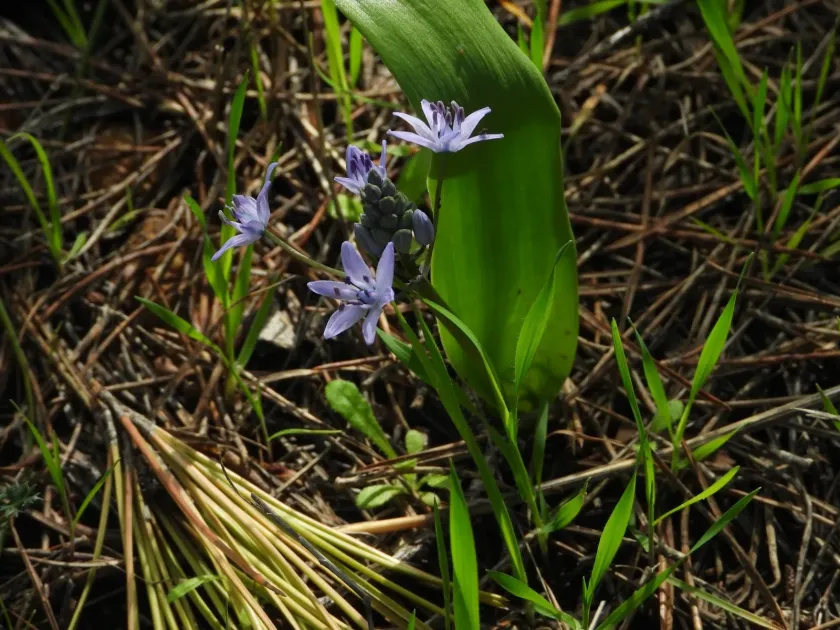
Description
Growing requirements
Scilla monophyllos is a perennial bulbous plant belonging to the Asparagaceae family. Unlike many other species of the genus, it is distinctively characterized by producing a single, solitary leaf that emerges alongside the flowering scape, which is a key identifying trait for taxonomists and gardeners alike.
The plant originates from the Iberian Peninsula, specifically favoring the climates of Spain and Portugal. It naturally inhabits areas with a Mediterranean influence, making it well-adapted to cool, moist springs followed by dry summers, which constitutes its primary dormancy period.
For cultivation, this species requires well-draining soil rich in organic matter. Sandy loam or loose forest soil mimics its natural habitat, providing the necessary aeration to prevent the bulbs from rotting during the wet season. It is vital to maintain consistent moisture during the growth phase.
Regarding light requirements, Scilla monophyllos thrives in partial shade or dappled sunlight. It is an excellent candidate for planting under deciduous trees, as it completes its active growth cycle and flowering before the canopy fully leafs out, maximizing the available solar radiation.
In terms of agricultural and horticultural utilization, it is strictly managed as an ornamental crop. It is highly valued in rock gardens, woodland borders, and spring-themed landscapes due to its unique appearance and early emergence, providing a distinct aesthetic compared to the more common multi-leaved species.
Main diseases and pests
The primary biological threats to Scilla monophyllos involve soil-borne pathogens. Bacterial soft rot and fungal infections, particularly Botrytis, are common if the drainage is inadequate. Ensuring that bulbs are not kept in saturated soil is the primary preventive measure.
Pests that pose a significant threat include various species of bulb mites and slugs. These organisms feed on the developing bulbs and succulent leaves, often leading to secondary infections. Regular monitoring during the emergence of the first leaf is essential to protect the plant's health.