
Tubergen squill
Scilla mischtschenkoana
Description
Growing requirements
Tubergen squill (Scilla mischtschenkoana) is a perennial bulbous plant belonging to the Asparagaceae family. Native to the rocky slopes of the Caucasus and Iran, this plant is valued for its hardiness and exceptionally early flowering period.
For optimal growth, it requires well-draining soil that prevents water stagnation. It thrives in neutral or slightly alkaline conditions and is well-suited for rock gardens, borders, or areas under deciduous trees where it receives sunlight before leaves appear.
The climate requirements include a cold dormancy period, which is essential for triggering the spring bloom. The plant is extremely cold-tolerant and survives in diverse climatic zones without the need for additional winter protection.
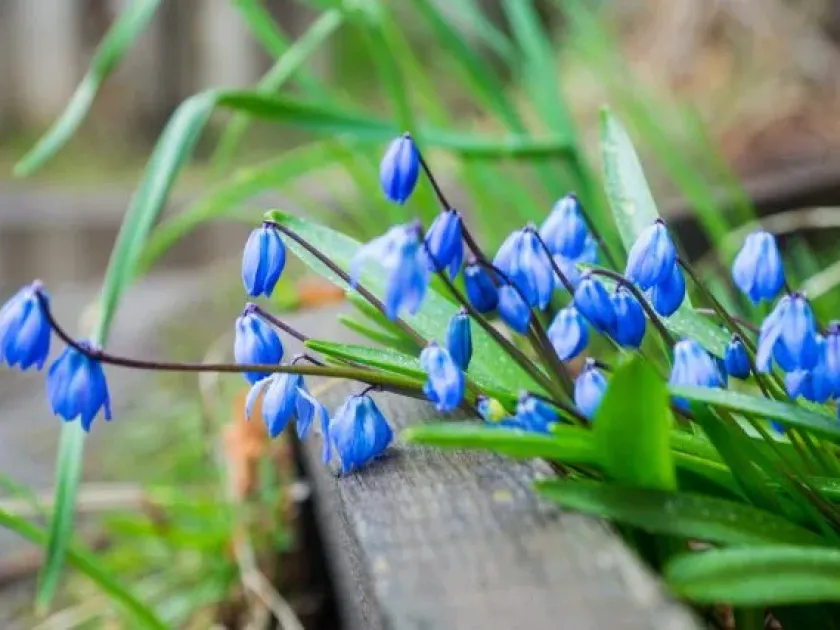
Botanical features include narrow, lanceolate foliage and pale blue, star-shaped flowers with a distinct darker midrib. The bulbs should be planted in early autumn to allow root development before the ground freezes, ensuring a strong start for the next season.
Cultivation practices involve minimal maintenance, focusing mainly on soil aeration and weed control. Since the plant is ephemeral, the foliage will die back by early summer, at which point the site should be marked to avoid accidental disturbance of the dormant bulbs.
Main diseases and pests
Fungal infections, primarily Botrytis and root rot, represent the most significant threat to Scilla mischtschenkoana. These issues usually arise from poor drainage or excessively damp environments, requiring careful site selection prior to planting.
Rodents, particularly field mice, frequently consume the bulbs during the winter months. To protect the plantings, gardeners often use wire mesh baskets or specialized containers to safeguard the bulbs underground.
Pests such as bulb flies can cause damage to the internal structures of the bulb, leading to stunted growth or failure to bloom. Preventive measures include ensuring the soil is not overly packed and using organic treatments to deter egg-laying adults.
In cases of severe infestation, systemic fungicides or insecticides may be required. However, the most effective strategy remains good horticultural hygiene: removing any decaying matter and maintaining dry conditions during the summer dormancy period.
Regular inspection of the planting area is highly recommended. Healthy bulbs exhibit firm textures and clean skins, which significantly lowers the susceptibility to opportunistic pathogens and ensures the long-term success of the flower colony.