
Messenian squill
Scilla messeniaca
Description
Growing requirements
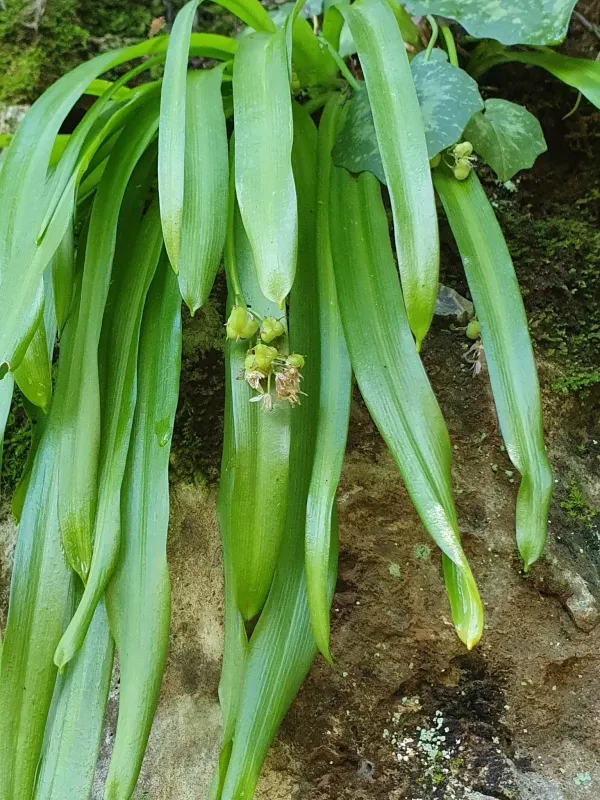
Messenian squill (Scilla messeniaca) is a bulbous perennial flowering plant belonging to the Asparagaceae family. This species is native to the Mediterranean region, specifically Greece, where it typically inhabits open woodland areas and rocky slopes, reflecting its adaptation to specific forest microclimates.
The plant thrives in temperate climates, requiring cool spring temperatures to initiate its growth cycle. It is highly valued in ornamental agriculture for its early blooming period, often appearing as one of the first heralds of spring in a garden setting.
Cultivation requires fertile, well-draining soil that is rich in organic matter. The species prefers partial shade, which protects the delicate foliage from excessive heat and helps maintain the soil moisture levels necessary for healthy root system development throughout the growing season.
Botanically, it is characterized by producing multiple flowering stems per bulb, each carrying clusters of star-shaped, pale blue to lavender blossoms. The bulb acts as a storage organ, ensuring the plant can survive dormant periods and re-emerge vigorously when environmental conditions become favorable.
Agronomic management involves planting bulbs in the autumn to allow root establishment before the onset of winter temperatures. Spacing should be maintained at 10 to 12 centimeters apart to ensure adequate airflow and nutrient distribution, preventing overcrowding during the active growth phase.
Main diseases and pests
The most significant pathological threats to this culture include fungal infections such as Botrytis and various types of bulb rot. These conditions are typically exacerbated by poorly drained soil or excessive precipitation during the dormancy period, which can cause internal decay of the bulb tissues.
Insect pests include aphids and bulb mites, which can cause stunted growth or deformities in the flower clusters. Implementing integrated pest management, such as promoting natural predators and using selective bio-insecticides, is effective for maintaining plant health without damaging the surrounding environment.