
Rohdea nepalensis
Rohdea nepalensis
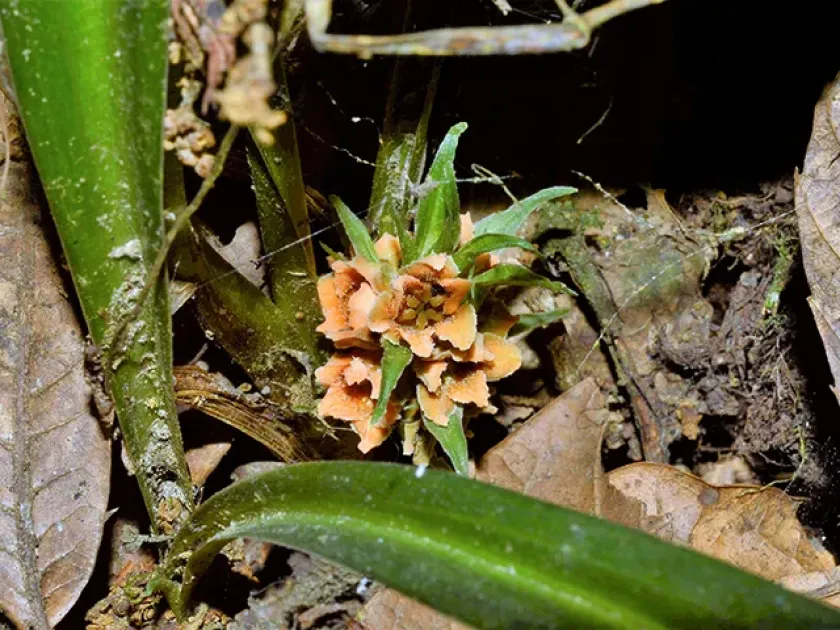
Description
Growing requirements
Rohdea nepalensis is a robust evergreen perennial belonging to the Asparagaceae family. Originating from the misty forests of the Himalayas, this plant has adapted to thrive in stable, cool, and shaded ecological niches.
The plant requires a well-draining, nutrient-rich soil mix. A combination of peat, compost, and coarse sand provides the best structure to prevent root suffocation while maintaining sufficient moisture levels.
Environmental requirements focus heavily on light management. In agricultural settings, it is essential to mimic forest floor conditions, avoiding harsh direct light that can bleach the deep green color of the leaves.
Temperature management is critical for the success of this crop. It prefers cool, stable environments and struggles under extreme heat or sudden temperature fluctuations, which can trigger physiological stress.
Water management involves keeping the substrate consistently moist but never waterlogged. During the dormant winter season, irrigation frequency should be reduced significantly to allow the plant to rest.
Main diseases and pests
Common pests include scale insects and mealybugs, which tend to hide on the undersides of the broad leaves. Regular manual inspection and early treatment with horticultural oils are recommended.
Fungal pathogens such as Rhizoctonia or Phytophthora can cause severe root decay if drainage is inadequate. Managing water supply is the primary defense against these soil-borne threats.
Poor ventilation can lead to the development of gray mold (Botrytis) on the foliage. Ensuring airflow around the plant canopy is a mandatory preventive measure in intensive cultivation.
Nutrient deficiency may manifest as chlorosis on older leaves. A balanced, slow-release fertilizer applied during the growing season is sufficient to maintain the nutritional requirements of the plant.
Sanitation is key to disease management. Removing any decaying plant material and keeping the growing area clean helps prevent the spread of opportunistic fungal and bacterial infections.