
Muscari aucheri
Muscari aucheri
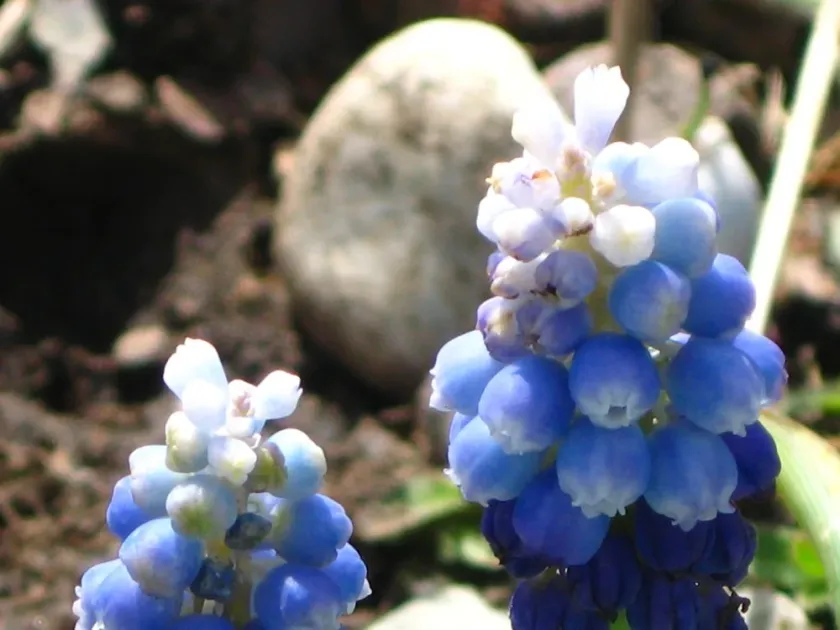
Description
Sowing dates
Muscari aucheri is a bulbous perennial belonging to the Asparagaceae family. This species is highly valued for its striking blue flowers and is primarily propagated through the division of bulb offsets during the dormant phase.
The ideal planting time for bulbs is in autumn, specifically from September through October. This timing allows the root system to establish itself in the soil before the onset of deep winter frosts.
When planting, ensure bulbs are placed at a depth of approximately 5 to 8 centimeters. If the soil is heavy or prone to moisture retention, incorporating a layer of horticultural grit at the base of the hole is recommended.
Spacing should vary depending on the desired visual effect, though a 5–10 centimeter interval is standard. This density allows for natural clump formation, which enhances the aesthetic appeal of the flower beds.
While seeds can be used for propagation, this method is rarely employed in professional cultivation due to the extended juvenile phase before the first blooming cycle, which can take several years.
Growing requirements
Muscari aucheri thrives in full sun but can tolerate partial shade. Its preference for well-draining soil is a critical factor for long-term survival, as stagnant water is the primary cause of bulb rot.
The optimal soil profile for this species is neutral to slightly alkaline and rich in organic matter. Sandy or loamy soils are preferred as they prevent the risk of waterlogging during the rainy season.
Watering requirements are relatively low, with moisture primarily needed during the active growth phase in early spring. During the summer months, the bulbs require a dry, dormant period to prevent decay.
The species originates from the mountainous regions of Turkey, which explains its inherent resilience to cold temperatures and its ability to thrive in diverse climatic conditions without additional shelter.
Nutrient application should be managed carefully. A light application of balanced granular fertilizer in early spring supports healthy foliage and robust flower spike development throughout the season.
Main diseases and pests
Fungal pathogens, particularly those causing root and bulb rot, pose the most significant threat to Muscari cultivation. These infections are almost always linked to poor drainage or excessive soil humidity.
Viral diseases, such as mosaic virus, can cause stunted growth and chlorosis. Because there is no chemical cure for these viruses, affected plants must be removed and destroyed to prevent secondary spread.
Pests such as bulb mites are a persistent concern, as they feed on the tissues of the bulb. Proactive measures include inspecting all bulb stock before planting and treating infected areas with appropriate miticides.
Rodents such as voles can cause considerable damage in gardens by consuming the bulbs. Planting bulbs in wire baskets or using physical barriers is an effective strategy in areas with high rodent populations.
To maintain a healthy garden bed, implement proper sanitation by removing dead foliage after the senescence process is complete and ensuring adequate air circulation between individual plants.