
Merwilla
Merwilla
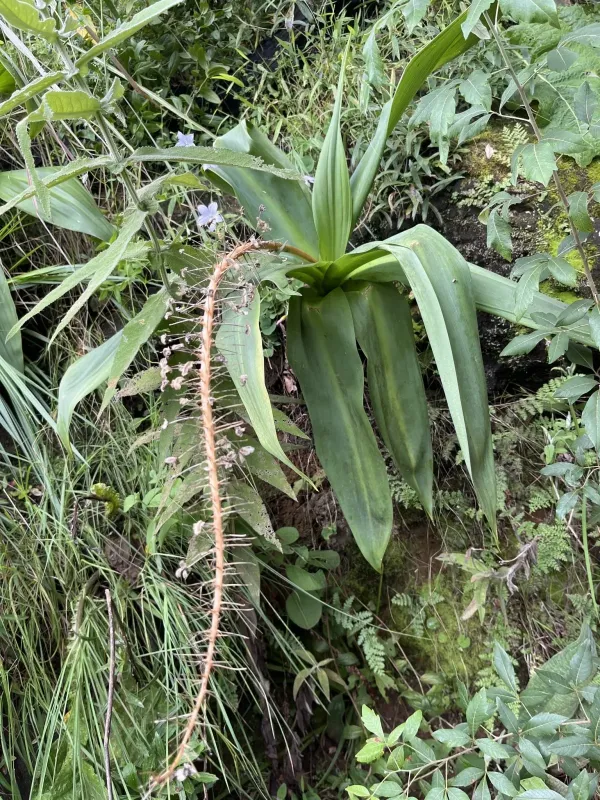
Description
Growing requirements
Merwilla is a genus of bulbous perennial plants belonging to the Asparagaceae family. These plants are known for their distinct appearance, featuring large, fleshy bulbs and graceful racemes of small star-shaped flowers that bloom in late spring or summer.
Native to Southern Africa, Merwilla has evolved to thrive in diverse environments, ranging from rocky slopes to open grasslands. This origin makes the plant highly adaptable, though it maintains a strong preference for well-drained soils and distinct wet and dry seasons.
For cultivation purposes, Merwilla requires a location with plenty of bright, indirect sunlight or direct exposure during the morning hours. It performs best in nutrient-rich, sandy-loam soils that prevent water stagnation, which is essential to avoid bulb decay.
Temperature management is a key factor in growing Merwilla. As a frost-sensitive plant, it is typically grown in pots in cooler regions, allowing the gardener to move the plant indoors before the first autumn frosts arrive to ensure it stays in a dormant state.
A routine care schedule for Merwilla involves moderate watering throughout the active growth phase, followed by a dry rest period. Fertilizing during the start of the growth cycle with balanced liquid nutrients supports healthy foliage and vigorous flowering.
Harvesting
The primary use of Merwilla is ornamental, serving as a sophisticated addition to botanical collections and specialized gardens. Its unique architecture makes it a popular choice for conservatory displays and greenhouse cultivation.
Seed production occurs after successful pollination, resulting in capsules that contain black seeds. Harvesting should take place when the capsules turn brown and show signs of splitting, indicating maturity.
Propagation is most reliably achieved by separating offsets (daughter bulbs) from the parent plant. This is usually done during the dormancy period or just before the start of the new growing season to minimize stress on the plant.
Post-harvest management involves careful drying and cleaning of the bulbs. Proper ventilation is vital during the storage period to ensure that fungal pathogens do not establish themselves on the outer scales of the bulbs.
In terms of maintenance, remove faded flower stalks promptly after blooming to redirect energy into the bulb. Proper sanitation and removing debris around the base of the plant are also recommended to keep pests like mites and aphids at bay.