
Melomphis
Melomphis
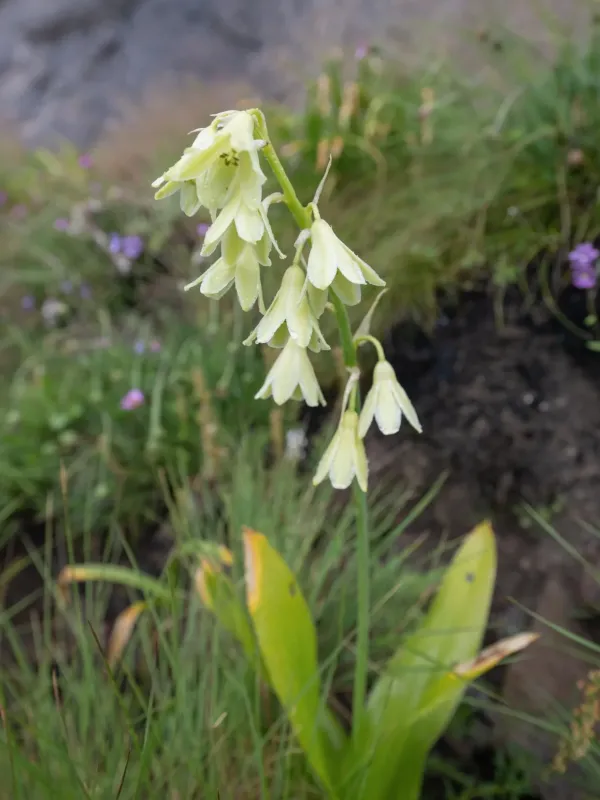
Description
Sowing dates
Melomphis is a unique genus within the Hyacinthaceae family that requires specific environmental conditions to achieve optimal germination and growth.
The sowing process is typically scheduled for early spring, once the soil temperature consistently reaches levels that favor initial root development.
Precision planting at a shallow depth is essential to ensure that seedlings emerge uniformly without exhausting their internal energy reserves.
Growers should focus on soil preparation by ensuring fine tilth, which allows the delicate seeds to establish contact with the soil moisture efficiently.
Maintaining adequate row spacing is a fundamental practice to prevent overcrowding and ensure each individual plant has enough space to thrive.
Growing requirements
The crop thrives in well-drained, sandy loam soils that possess a balanced nutritional profile and a stable pH level for optimal nutrient uptake.
Effective water management is crucial, as the roots are particularly sensitive to anaerobic conditions caused by prolonged waterlogging during the growing season.
Solar exposure is vital for the physiological processes of the plant, necessitating locations that receive direct sunlight for the majority of the day.
Soil fertility management should involve the integration of organic matter and mineral supplements to sustain the crop throughout its developmental stages.
Climate adaptability varies, but the plant generally prefers temperate environments where sudden temperature spikes or frosts are minimized.
Main diseases and pests
The primary threats to the health of this crop are soil-borne fungal pathogens which often proliferate in environments with poor ventilation or high humidity.
Pest populations such as root mites and localized soil insects can cause significant damage if left unmanaged, often leading to secondary bacterial infections.
Integrated pest management strategies are recommended, focusing on early detection and the use of resistant varieties whenever possible to safeguard production.
Maintaining soil hygiene through appropriate crop rotation and fallow periods is a cornerstone of mitigating the risk of disease buildup.
Field scouting for early signs of chlorosis or stunted growth helps producers apply corrective measures before the damage becomes widespread.