
Bellevalia warburgii
Bellevalia warburgii
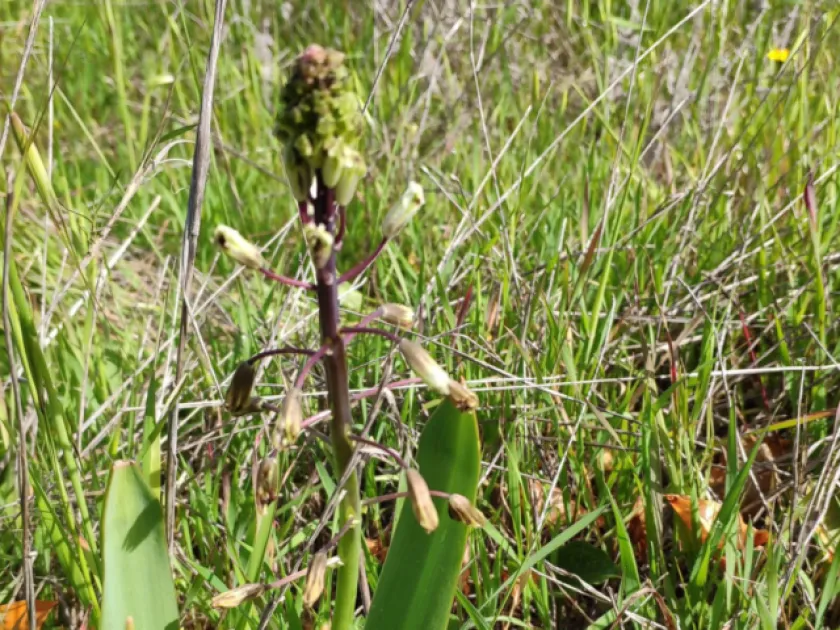
Description
Sowing dates
Bellevalia warburgii is a bulbous perennial, and its propagation in cultivation is most commonly achieved vegetatively by separating daughter bulbs during the dormant season.
It is recommended to plant the bulbs in autumn when the soil temperature drops to 10-12 degrees Celsius, which allows the plant to root before the onset of persistent frosts.
When propagating via seeds, sowing should be done in winter in open ground or containers, ensuring natural stratification to improve germination rates.
The planting depth of the bulbs depends directly on their size and soil type; generally, it should be two to three times the bulb height to protect it from temperature fluctuations.
The selection of a planting site must take into account the need for good illumination during spring, which is critical for the plant's full vegetative development cycle.
Growing requirements
The plant belongs to the Asparagaceae family and prefers well-drained, fertile soils with a neutral or slightly alkaline pH, which prevents stagnant moisture.
During the active growth period, the plant requires moderate watering, but excessive moisture can lead to bulb rot, which is fatal for this species.
Bellevalia warburgii thrives best in climatic zones characterized by mild winters and dry summers, which mirrors its native habitat on the island of Cyprus.
Successful cultivation requires providing the plant with sufficient sunlight, as shading causes flower stalks to stretch and lose their ornamental appeal.
An important factor is maintaining the summer dormant period, during which the soil must remain dry to allow the bulb to store energy for the next season.
Main diseases and pests
The primary threat to this species is fungal root rot, which occurs due to excessive watering and poor soil aeration.
Bulbs can be susceptible to grey mold, which manifests as dark spots and tissue softening; therefore, strict preventive measures during storage are essential.
Pests such as onion flies or root mites can significantly weaken the plant by feeding on the nutrients stored in the basal plate of the bulb.
To prevent the spread of infections, it is recommended to treat bulbs with broad-spectrum fungicides before planting.
Promptly discarding damaged or diseased specimens before planting helps avoid mass contamination of the planting stock in the garden bed.