
Bellevalia trifoliata
Bellevalia trifoliata
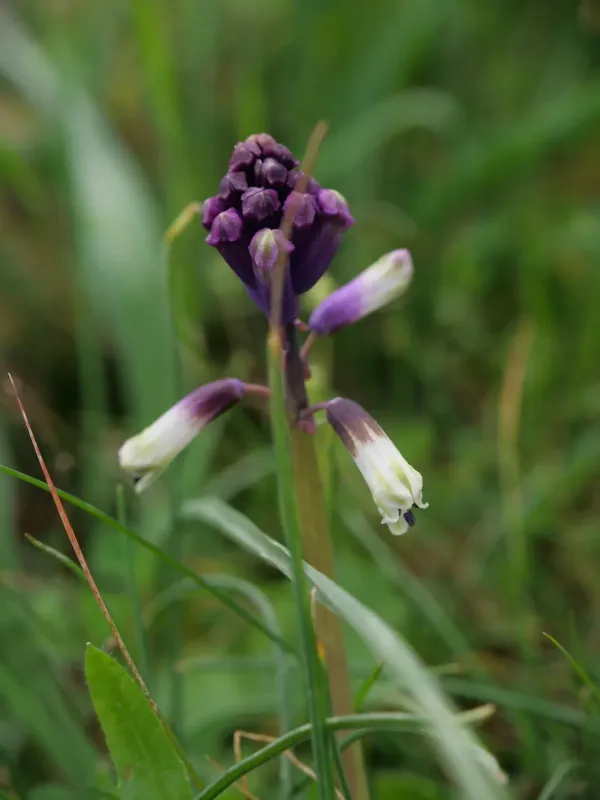
Description
Growing requirements
Bellevalia trifoliata is a perennial bulbous plant belonging to the Asparagaceae family. This species originates from Mediterranean habitats and is prized for its unique spikes of small, bell-shaped flowers.
The plant thrives in well-drained, sandy or loamy soils. Proper drainage is the most critical factor in successful cultivation, as stagnant water causes immediate bulb decay.
Optimal growth occurs in full sun positions, which mirror the plant's natural environment. Shade often leads to weak, elongated foliage and poor flower development.
Climate requirements include a warm spring for growth and a dry, warm summer for the bulb's dormancy period. Cold hardiness is limited, necessitating mulch in colder regions.
A typical cultivation routine involves watering during the spring growth phase and keeping the soil relatively dry during the hot summer dormancy to prevent rot.
Main diseases and pests
The primary threats to Bellevalia trifoliata include fungal pathogens such as Botrytis and Fusarium. These fungi thrive in damp soil and humid conditions, often resulting in bulb rot.
Pests like onion flies and aphids pose a significant risk, as they target the bulb's nutritional reserves or feed on the developing green leaves during early spring.
Viral infections can cause chlorotic streaks on leaves, which reduces the plant's ability to photosynthesize and store energy for the following season.
Integrated pest management strategies involve inspecting bulbs before planting and applying targeted fungicides to prevent the spread of soil-borne pathogens.
To ensure a healthy crop, gardeners should maintain good spacing between plants to encourage airflow and reduce the humidity levels around the foliage.