
Bellevalia stepporum
Bellevalia stepporum
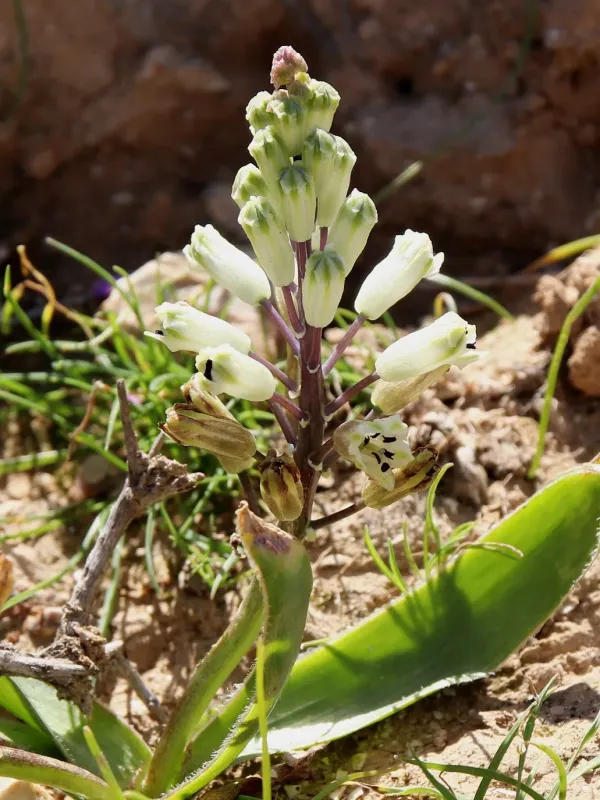
Description
Sowing dates
Bulbs should be planted in the autumn, ideally a month before the first hard frosts, allowing sufficient time for root development.
The recommended planting depth is between 8 and 10 centimeters, depending on the diameter of the bulb and the texture of the soil.
Spacing between individual plants should be at least 10–15 centimeters to prevent overcrowding and ensure adequate airflow.
For those starting from seeds, autumn sowing in open ground or cold stratification is necessary to break dormancy effectively.
Cultivators should expect the first blooms from seed-grown plants within 3 to 4 years, once the bulb has reached its maturity.
Growing requirements
Bellevalia stepporum is a perennial bulbous plant belonging to the Asparagaceae family, known for its adaptation to steppe environments.
It thrives in open, sunny locations where it can receive the necessary amount of light for its active spring growth period.
As a spring ephemeroid, it requires a specific cycle of moist spring soil followed by a dry period throughout the summer months.
Proper drainage is the most critical factor for success; the bulbs will rot quickly if left in waterlogged or heavy, poorly draining soils.
The ideal substrate for this plant is light, sandy or loamy soil with a neutral to slightly alkaline pH level for optimal health.
Main diseases and pests
The most significant threats to this culture are various forms of root and bulb rot caused by excessive moisture during the dormant season.
Pests such as bulb mites and certain species of nematodes can cause structural damage to the bulbs, weakening the overall plant.
Fungal diseases like Fusarium wilt represent a major risk, especially in environments with poor soil aeration and humidity control.
Proactive management of planting sites and the use of healthy, disease-free planting material are vital for long-term survival.
- Maintain excellent soil drainage.
- Apply fungicides preventively if necessary.
- Avoid overcrowding in planting beds.
Harvesting
The primary use of Bellevalia stepporum is in ornamental horticulture, particularly in rock gardens or naturalistic garden landscapes.
Seeds should be collected once the capsules turn brown and dry but before they naturally dehisce and scatter their contents.
Post-flowering care involves removing the spent flower stalks to allow the plant to focus its energy on strengthening the bulb.
It is essential to allow the foliage to wither naturally, as this process ensures energy reserves are fully transferred into the bulb.
Bulbs should be lifted for division or storage in mid-summer, after the leaves have turned yellow and the plant enters dormancy.