
Bellevalia spicata
Bellevalia spicata
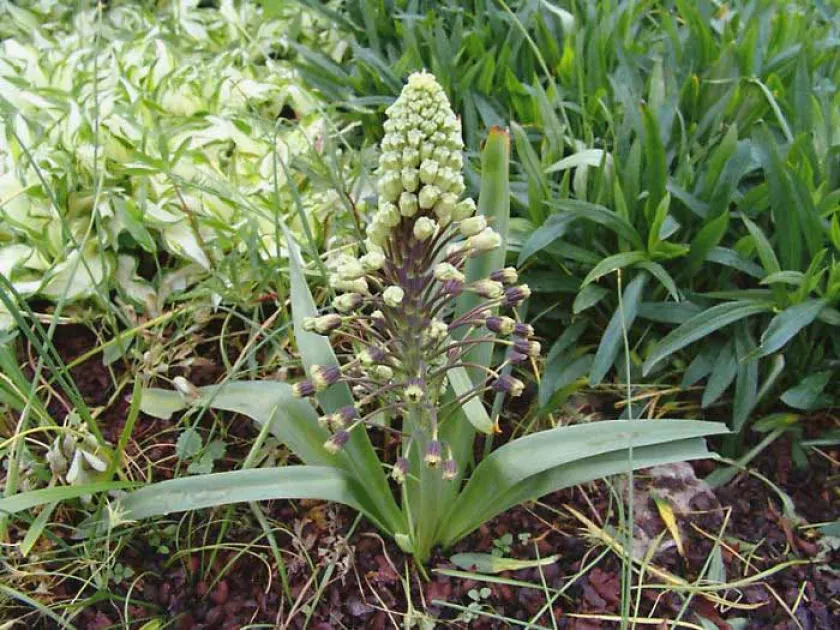
Description
Growing requirements
Bellevalia spicata is a perennial bulbous plant belonging to the Asparagaceae family. Originally native to the Mediterranean basin and the Middle East, this species thrives in regions characterized by open, sunny landscapes and well-defined seasonal changes.
Successful cultivation requires soil that is rich in nutrients and possesses excellent drainage properties. The species is highly intolerant of waterlogged conditions, which can lead to rapid bulb decay, thus making sandy or rocky soil types the most suitable for long-term health.
In terms of climatic requirements, Bellevalia spicata prefers full sun exposure to stimulate its blooming cycle. While it is hardy in temperate climates, protection from extreme frost and excessive winter precipitation is recommended to maintain the structural integrity of the bulbs during the dormant phase.
Agrotechnical practices focus on periodic weeding and soil aeration to promote optimal gas exchange in the root zone. Controlled fertilization during the early spring vegetative growth phase, using balanced NPK fertilizers, helps support the development of vibrant floral spikes.
The primary use of this culture is ornamental gardening. It is widely valued in landscape architecture for its suitability in rock gardens, borders, and naturalistic meadow plantings, where it provides early spring interest and adds unique texture to the design.
Main diseases and pests
The main threats to Bellevalia spicata include various fungal pathogens that thrive in moist, poorly aerated conditions. Fusarium and Botrytis are the most common infections affecting the bulb tissue and the base of the stem during the growing season.
Preventative measures involve strictly controlling irrigation and ensuring that the planting site has adequate slope or substrate drainage. Treating bulbs with systemic fungicides prior to planting is a standard industry practice to minimize the risk of soil-borne disease emergence.
Insects such as bulb mites and larvae of the onion fly pose significant risks by feeding on the bulb scales, which can stunt plant growth and cause premature senescence. Integrated pest management, including the use of botanical insecticides, is effective for small-scale cultivation.
Small mammals, particularly voles and mice, represent a major challenge as they frequently forage on underground bulbs during the winter dormancy. Utilizing wire cages or planting the bulbs in protective baskets is a common strategy to secure the crop against herbivory.
Continuous monitoring of plant health throughout the season is essential. Prompt removal and destruction of any symptomatic plants, characterized by yellowing leaves or stunted development, help prevent the spread of diseases and pests throughout the entire planting bed.