
Bellevalia speciosa
Bellevalia speciosa
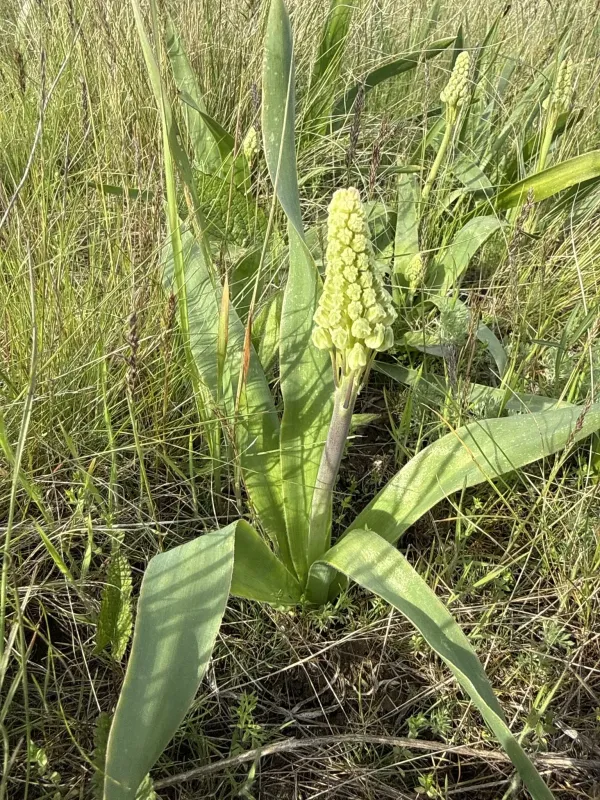
Description
Growing requirements
Bellevalia speciosa is a perennial herbaceous bulbous plant belonging to the Asparagaceae family. Native to the Caucasus region and surrounding areas, this plant thrives in steppe environments and open mountainous slopes, making it a unique addition to specialized garden collections.
Botanically, the plant is characterized by a fleshy bulb from which basal linear leaves emerge. The inflorescence is a dense raceme of bell-shaped flowers, which exhibit a beautiful color transition during the flowering period, significantly enhancing the aesthetic value of the planting site.
For successful cultivation, Bellevalia speciosa requires well-drained, light soils with a neutral or slightly alkaline pH. Proper aeration is crucial; therefore, heavy or waterlogged soils should be amended with organic matter or sand to prevent bulb rot.
The plant is highly heliophilic, preferring full sun exposure throughout the day. Sufficient solar radiation is essential not only for vigorous growth but also for the proper maturation of the bulbs after the flowering cycle, which ensures consistent blooms in subsequent seasons.
Agrotechnical maintenance involves regular weeding and loosening of the soil surface to improve oxygen supply to the roots. During the active growth phase, moderate fertilization with a balanced, low-nitrogen formula can support foliage development and bulb formation.
Main diseases and pests
The primary threats to Bellevalia speciosa include fungal infections, such as Fusarium wilt and various rot pathogens, which typically arise when the substrate remains overly moist. Maintaining an optimal moisture balance is the most effective preventative measure.
Pests such as bulb mites and onion flies can cause significant damage to the root system and bulb tissue. To prevent infestations, it is recommended to treat bulbs with professional fungicides and insecticides prior to planting in the soil.
Proper sanitation of the garden area is essential to mitigate the risk of disease spread. Any plants exhibiting signs of decay or chlorosis should be removed and destroyed immediately to prevent the contamination of healthy neighboring bulbs.
Small rodents can also pose a serious threat, especially during winter months when they may feed on the nutrient-rich bulbs. Implementing physical barriers, such as wire baskets or metal mesh, is a reliable method for protecting the plants from wildlife damage.
A systematic monitoring program is recommended to identify early signs of stress or pest activity. Applying integrated pest management (IPM) strategies ensures that the culture remains healthy while minimizing the use of broad-spectrum chemicals.