
Bellevalia sarmatica
Bellevalia sarmatica
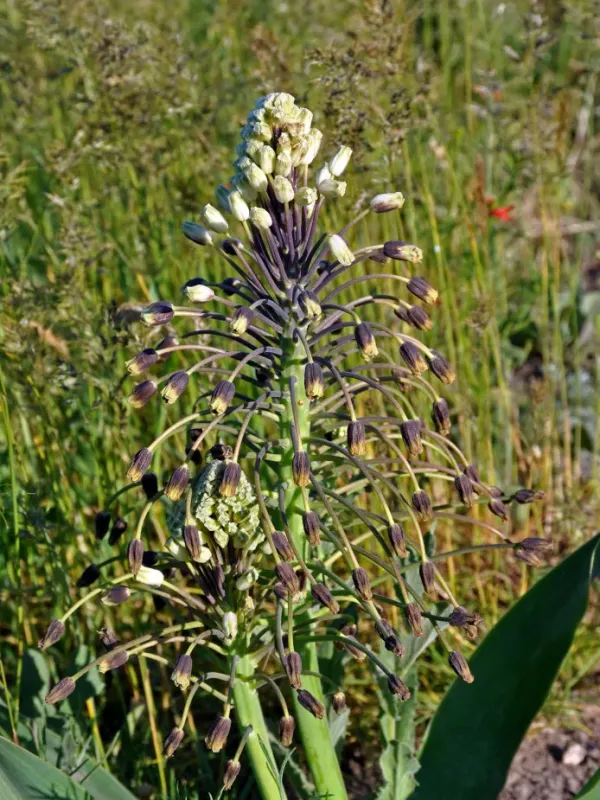
Description
Growing requirements
Bellevalia sarmatica is a perennial herbaceous plant belonging to the Asparagaceae family, native to the open steppe regions of Eastern Europe.
The plant is categorized as a bulbous geophyte, which has evolved to thrive in environments with distinct seasonal variations, particularly short and humid spring periods.
For optimal growth, the crop requires full sun exposure and well-draining, calcareous soils that prevent moisture accumulation around the bulb during its summer dormancy.
The climate requirements include a continental regime where the plant can access moisture during the early vegetative stage, followed by a dry period to complete its life cycle.
Cultivation practices should prioritize minimal soil disturbance, as the bulbs are sensitive to mechanical damage and prefer stable conditions within their root zone.
Main diseases and pests
The primary threats to Bellevalia sarmatica are fungal pathogens, specifically those causing basal rot, which occur when soil drainage is insufficient.
Pest pressure is mainly exerted by soil-dwelling larvae, such as click beetle larvae, which can bore into the bulbs and cause significant structural damage.
Aphid infestations may occur during the peak of the flowering period, potentially acting as vectors for viral diseases, which significantly decrease the vigor of the plant.
Effective management includes implementing a strict rotation schedule and ensuring that the planting sites remain free from persistent weed species that compete for nutrients.
Periodic monitoring and the application of integrated pest management strategies are recommended to maintain plant health and ensure the longevity of the population.