
Bellevalia paradoxa
Bellevalia paradoxa
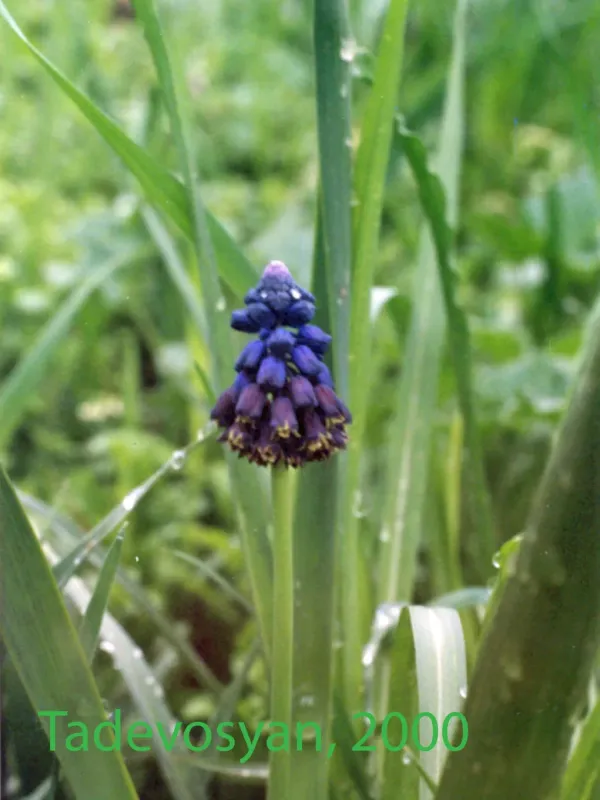
Description
Growing requirements
Bellevalia paradoxa is a bulbous perennial belonging to the Asparagaceae family. This spring ephemeral is valued for its unique spikes of blue, grape-like flowers that appear in early spring, creating a striking contrast in the landscape.
Native to the Caucasus and surrounding regions, the plant is well-adapted to mountain environments with rocky, well-draining soils. Its growth cycle is specifically attuned to cool, wet springs followed by warm, dry summers, which is crucial for its survival.
The cultural requirements demand a sunny or partially shaded spot with excellent drainage. Bellevalia paradoxa will not survive in waterlogged conditions, making well-aerated, sandy-loam soil the preferred medium for healthy bulb development and annual flowering.
In terms of climate, the plant is hardy and thrives in temperate zones. It needs a dormant period during the summer months, during which the soil should remain relatively dry to prevent the bulbs from rotting while they undergo their biological rest phase.
Ornamental use of this species is largely found in alpine gardens, rockeries, and woodland-style plantings. Its low-growing habit and early blooming time make it a perfect companion for other early spring bulbs such as Muscari or Scilla.
Main diseases and pests
Fungal pathogens, particularly those causing bulb rot, are the primary threat to Bellevalia paradoxa. Prevention focuses on avoiding overwatering, especially during the dormant summer period, and ensuring high soil permeability.
Pests such as bulb mites and onion flies can cause significant damage to the plant's underground structures. Treating bulbs with systemic insecticides or fungicides before planting can significantly reduce the risk of infestation and subsequent plant death.
Weed control is essential for maintaining the vigor of the plant, as Bellevalia paradoxa is a small species that cannot compete with vigorous weeds. Hand-weeding is recommended to avoid disturbing the delicate root system of the bulbs during the growing season.
Rodents, such as voles and mice, may occasionally feed on the bulbs. Implementing physical barriers or using protective planting baskets is a reliable way to safeguard the collection from these opportunistic pests throughout the year.
Monitoring for signs of chlorosis or leaf tip necrosis is important, as these can indicate nutrient imbalances or soil pH issues. Maintaining a balanced soil environment ensures that the plant remains healthy and resistant to opportunistic infections.