
Bellevalia mosheovii
Bellevalia mosheovii
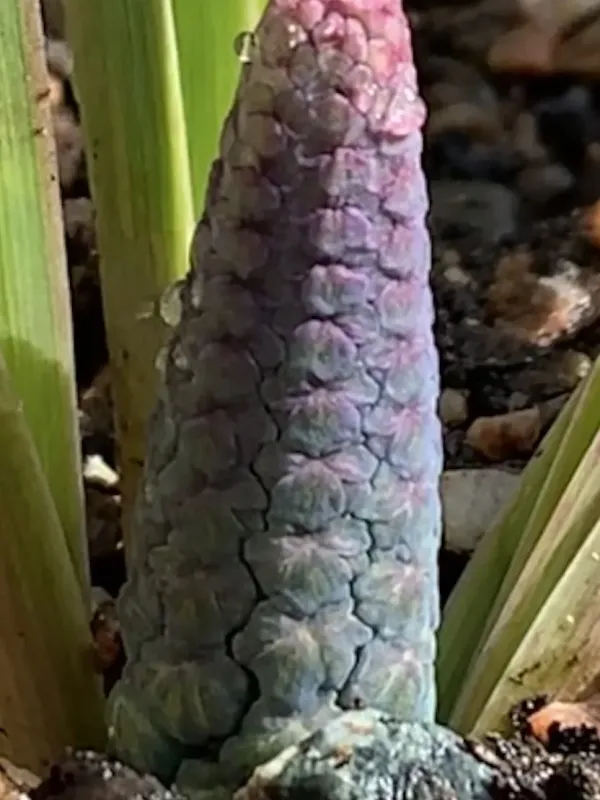
Description
Sowing dates
Bellevalia mosheovii is a distinct species belonging to the Asparagaceae family, known for its ephemeral life cycle and specific growth patterns.
Planting bulbs should take place in late summer or early autumn to ensure the root system establishes itself well before the winter dormancy ends.
The recommended planting depth is approximately 5 to 10 centimeters, depending on the soil texture and the size of the individual bulb specimen.
Spacing between plants is crucial to avoid overcrowding, which promotes moisture buildup and increases the risk of fungal infections among the foliage.
Proper orientation of the bulb during planting is necessary to ensure the shoot finds the most direct path to the surface during the early spring growth phase.
Growing requirements
Originating from Israel, this plant thrives in environments characterized by high solar radiation and well-drained, porous soil structures.
The species requires a climate that mimics Mediterranean conditions, featuring cool, moist winters followed by hot, arid summers to ensure the bulbs survive.
Soil drainage is the most critical factor; any stagnation of water around the root zone will lead to physiological stress and potential bulb rot.
Nutrient requirements are modest, and organic compost should be applied sparingly to avoid forcing excessive green growth at the expense of floral development.
During the summer period, the plant enters deep dormancy, and the soil must be kept as dry as possible to prevent premature sprouting or disease development.
Main diseases and pests
Fungal pathogens such as Fusarium and various soft rots are the most significant threats to the survival of Bellevalia mosheovii bulbs.
Excessive humidity in the storage environment or poorly drained garden beds can rapidly compromise the health of the plant's subterranean organs.
Pests like the onion fly larvae can burrow into the bulbs, causing severe damage that is often irreversible once the infestation reaches the core.
Aphids can be problematic during the active spring growth period, as they feed on the developing stalks and may transmit secondary viral diseases.
Implementing integrated pest management (IPM) practices, including the use of neem oil or targeted insecticides, can effectively mitigate these common threats.
Harvesting
Harvesting bulbs is strictly performed after the foliage has fully yellowed and dried, signifying that the energy transfer to the bulb is complete.
The harvested bulbs should be gently cleaned of soil and debris, then cured in a shaded, well-ventilated area to harden the outer skin layers.
Storage must occur in cool, dry conditions with adequate airflow to prevent moisture accumulation, which is the primary cause of post-harvest loss.
Frequent monitoring during the storage period is essential to identify and discard any bulbs showing signs of softening, discoloration, or fungal activity.
Proper maintenance of the harvested stock ensures high viability for the next season and allows for the continued cultivation and propagation of the species.