
Bellevalia hybrids
Bellevalia hybrids
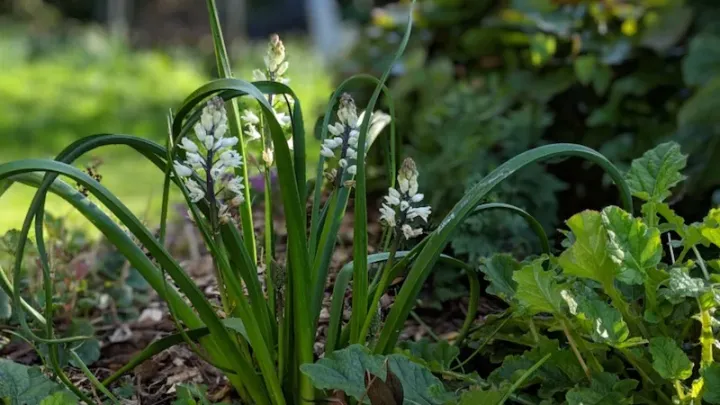
Description
Sowing dates
Planting of Bellevalia hybrid bulbs is best performed in the autumn when soil temperatures drop to 10–12 degrees Celsius. This timing allows the bulbs to establish a strong root system before the onset of hard winter frosts.
The planting depth depends on the bulb size and soil texture. Generally, bulbs should be planted at a depth of 8–12 centimeters, providing sufficient insulation against extreme cold temperatures.
In heavy clay soils, it is highly recommended to place a thin layer of sand at the base of the planting hole. This practice ensures proper drainage and prevents moisture accumulation around the bulb basal plate.
Spacing between individual bulbs should be maintained at 10–15 centimeters. This distance prevents competition for nutrients and ensures adequate air circulation, which is vital for plant health.
Spring planting is technically possible but often results in stunted growth and delayed flowering. Autumn planting remains the professional standard for ensuring robust development and long-term viability.
Growing requirements
Bellevalia hybrids belong to the Asparagaceae family and are classified as perennial bulbous plants. They are widely recognized for their early spring flowering and unique, spike-like inflorescences.
These plants thrive in well-lit, sunny locations that are protected from strong winds. While they can tolerate partial shade, full sun exposure is necessary for developing sturdy and healthy flower stems.
Well-drained, fertile soil with a neutral to slightly alkaline pH is ideal for this crop. Soil aeration is critical, as stagnant water is the primary cause of bulb failure during the winter months.
During the dormancy period, which begins after the foliage dies back, the bulbs require a relatively dry environment. Excessive irrigation during this stage can promote fungal decay and weaken the bulb.
Regular fertilization with potassium and phosphorus-rich compounds during the active growth phase is recommended. These nutrients support bulb energy storage and ensure a vibrant bloom in the following cycle.
Main diseases and pests
The primary threats to Bellevalia hybrids are fungal diseases, such as basal rot, which thrive in poorly drained or overly saturated soil conditions. Early detection is essential for effective management.
Pests like the onion fly and various nematodes can cause significant damage to the bulb tissue. Infestation usually results in poor plant vigor, yellowing foliage, and potentially the total collapse of the crop.
Effective management includes treating bulbs with appropriate fungicides before planting. Maintaining a strict crop rotation schedule helps to break the life cycles of soil-borne pathogens and pests.
Weed control is necessary throughout the growing season to eliminate competition for resources. Regular cultivation around the plants improves oxygen exchange in the root zone and discourages pest populations.
When chemical interventions are required, ensure that insecticides and fungicides are applied according to local agricultural safety guidelines. Proactive monitoring helps minimize the need for heavy pesticide usage.