
Bellevalia flexuosa
Bellevalia flexuosa
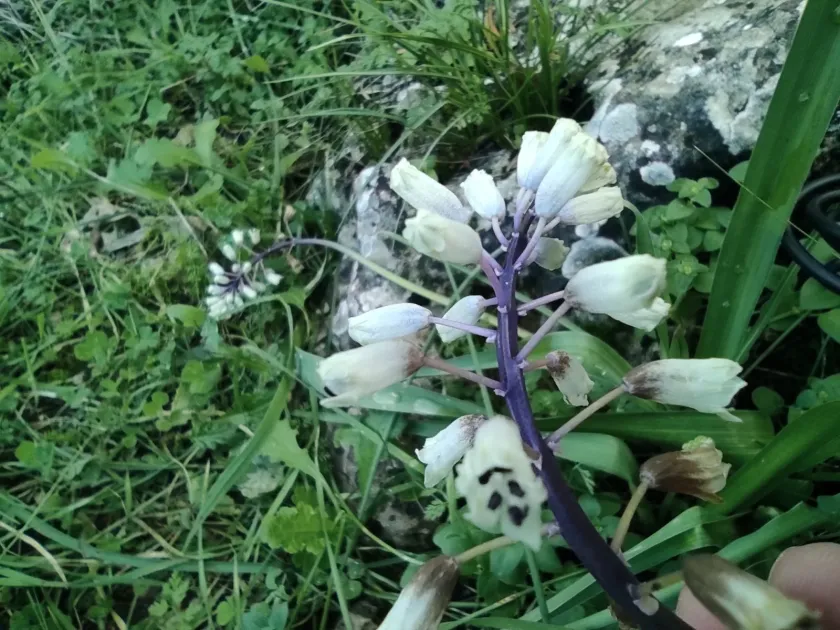
Description
Growing requirements
Bellevalia flexuosa is a bulbous perennial belonging to the Asparagaceae family. Native to the arid and rocky regions of the Mediterranean and Western Asia, it is well-adapted to specific climatic niches.
Botanically, it features a flexuous stem and clustered inflorescences that bloom in the spring. The bulb acts as a vital survival organ, supporting the plant through hot, dry summers when it enters a state of dormancy.
The crop thrives in well-drained, gritty, or sandy soils. Soil aeration is paramount, as the bulb is highly susceptible to rot if it remains in waterlogged ground during its dormant phase.
Full sun exposure is essential for vigorous growth and successful flowering. Providing a site that mimics the natural habitat—dry slopes with good air circulation—significantly improves plant longevity.
Proper agronomy requires a dormant period with minimal moisture. Fertilization should be light and provided only during the active growing season to ensure robust development of the bulb for the following year.
Main diseases and pests
Fungal pathogens such as Fusarium and various rots are the most prevalent threats. These diseases are usually triggered by excessive moisture and poor soil drainage, which compromise the health of the bulb.
Insects like the onion fly and various mites can cause significant damage. Early detection is critical, and physical barriers or targeted treatments are recommended for effective pest management.
Rodents represent a major risk, as they often forage for the nutrient-dense bulbs. Protecting the planting area with wire mesh or gravel mulch can effectively deter these pests.
Powdery mildew may occur if the plants are crowded and lack sufficient airflow. Maintaining adequate spacing between bulbs is a foundational practice to prevent this issue.
General hygiene, including the removal of dead foliage and disposal of infected plant material, is necessary to prevent the buildup of pathogens in the soil. Crop rotation is advised for intensive cultivation.