
Bellevalia dubia
Bellevalia dubia
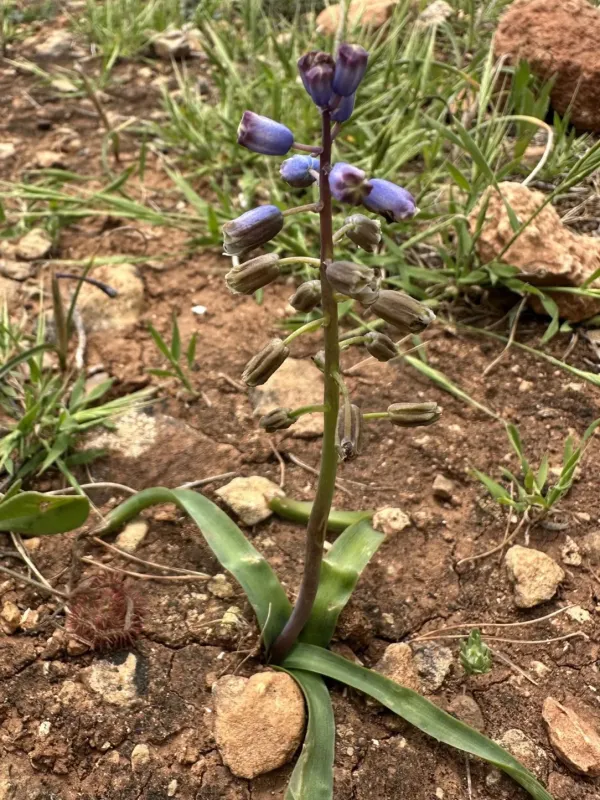
Description
Sowing dates
The optimal planting time for Bellevalia dubia bulbs is in the autumn, typically between September and October. Planting during this window allows the roots to establish before the ground temperature drops significantly.
Bulbs should be planted at a depth of approximately 8–12 cm. Maintaining appropriate spacing of about 10–15 cm between plants is important to promote good airflow and minimize the spread of soil-borne pathogens.
Propagation is possible through offsets (small daughter bulbs) or via seeds. While division of bulbs is faster, seed propagation allows for larger numbers of plants, though it requires several years for them to reach maturity and bloom.
When sowing seeds, they should be placed in well-drained containers or a prepared seedbed. They benefit from a cold period, which mimics the natural winter conditions needed to break dormancy and trigger germination.
General maintenance involves keeping the area free of weeds. Competition from aggressive grasses or weeds can severely stunt the growth of young plants, making regular manual weeding an essential part of the cultivation routine.
Growing requirements
Bellevalia dubia is a perennial bulbous plant belonging to the Asparagaceae family. This species is native to the Mediterranean region, where it thrives in rocky habitats, open grasslands, and dry meadows.
As a geophyte, the plant goes through a specialized life cycle. It accumulates essential energy reserves in its bulb during the short spring growing season, which allows it to remain dormant throughout the hot and dry summer months.
The cultural requirements are strict regarding soil composition. The plant demands well-drained, porous soils. Heavy clay soils that retain excess moisture can cause bulb rot, so adding sand or gravel to the planting site is essential for success.
Sun exposure is a critical factor for the healthy development of this plant. It requires full sunlight to initiate flower production and to ensure the bulb matures properly for the following year's growth.
Climatically, it is well-adapted to environments with mild, wet winters and dry summers. While it can handle moderate cold, regions with extremely harsh winters require protective mulch to prevent soil freezing at the depth of the bulbs.
Main diseases and pests
Fungal infections, such as bulb rot caused by Fusarium species or grey mold, are the primary threat to the health of Bellevalia dubia. These pathogens thrive in conditions where drainage is poor or moisture is excessive.
Pests such as bulb mites and certain types of soil-dwelling larvae can feed on the bulbs, weakening the plant and creating entry points for secondary fungal infections.
In addition to pests and diseases, the plant is susceptible to physiological disorders if the planting depth is incorrect or if the bulb is planted in soil that does not match its ecological preference for drainage.
To manage these threats, it is recommended to apply a preventative fungicidal soak to bulbs before planting. This reduces the risk of importing soil-borne pathogens into the planting site.
Monitoring the foliage for signs of chlorosis or premature yellowing is crucial. If found, it often indicates poor soil drainage or deep-seated root issues, necessitating an immediate adjustment to the watering or drainage strategy.