
Bellevalia desertorum
Bellevalia desertorum
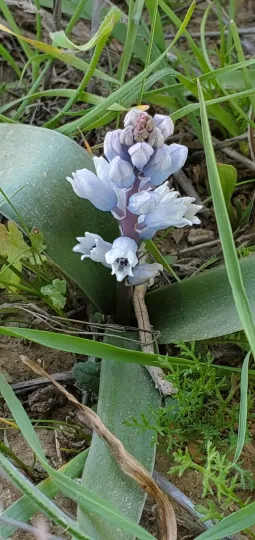
Description
Growing requirements
Bellevalia desertorum is a perennial bulbous plant species belonging to the Asparagaceae family. As a highly specialized desert plant, it has evolved to complete its life cycle within the limited temporal window provided by sparse rainfall in its native arid habitats.
The geographic distribution of this species covers desert and semi-desert regions of the Middle East. It is native to open, sandy, or rocky terrains, where it competes effectively for nutrients in nutrient-poor but well-aerated environments.
For successful cultivation, the species requires substrates with exceptional drainage properties. Heavy or compacted soils are detrimental as they trap moisture around the bulbs, leading to physiological stress and rapid decay during the dormancy period.
Climatic requirements are defined by a strict seasonal cycle. The plants thrive during cool, moist springs when the vegetative growth occurs, followed by an intense summer heat period. This heat is crucial for the bulb to enter deep dormancy and properly mature for the next season.
Botanically, it exhibits a rosette-like growth habit with fleshy, basal leaves and a dense, raceme-type inflorescence. The flower structure is adapted to attract local pollinators, ensuring effective seed set within the short vegetative window available in its harsh natural ecosystem.
Main diseases and pests
The primary threat to the stability of Bellevalia desertorum populations and cultivated stands is fungal pathogens, particularly those responsible for basal rot. These fungi thrive under conditions of poor soil drainage and stagnant humidity.
Pests such as bulb mites and various soil-dwelling insects pose a significant risk to the integrity of the bulb. Infestations typically result in stunted growth, yellowing of the foliage, and, in severe cases, the complete death of the individual plant.
Overgrazing by livestock is a critical ecological threat in its native range, as it depletes the energy reserves of the plant before the bulb can store sufficient nutrients for the next year. This leads to long-term population decline.
Improper storage conditions for harvested bulbs often lead to mold growth and dehydration. Maintaining a dry, well-ventilated storage environment is essential to prevent the accumulation of moisture, which is the leading cause of post-harvest losses.
Integrated pest management strategies should focus on preventive measures, including proper soil preparation, use of disease-free planting material, and careful regulation of watering cycles to mimic the natural desert environment.