
Bellevalia densiflora
Bellevalia densiflora
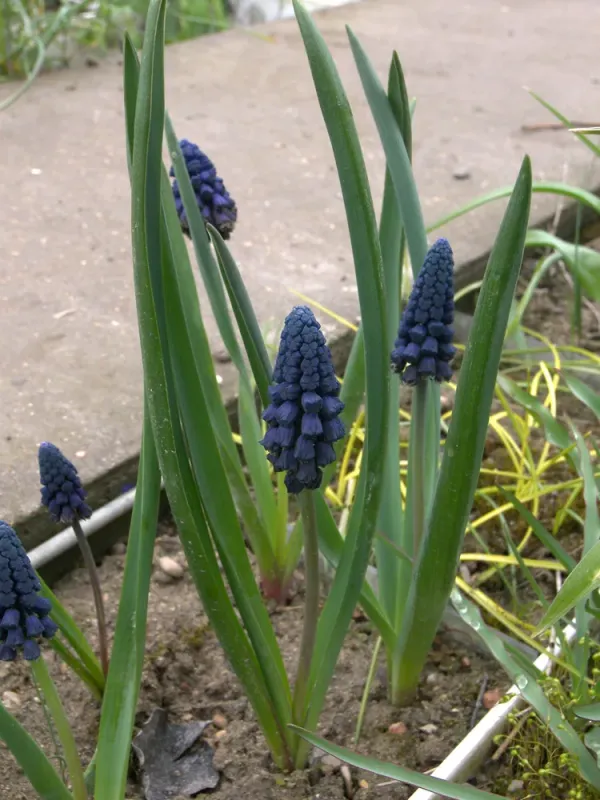
Description
Growing requirements
Bellevalia densiflora is a perennial bulbous plant belonging to the Asparagaceae family. This species originates from the mountainous regions and arid slopes of Southwestern Asia, where it has evolved to survive in habitats characterized by seasonal rainfall and significant temperature fluctuations.
The botanical structure of the plant is defined by its compact, fleshy bulb that produces narrow, basal leaves early in the season. The inflorescence consists of a dense, raceme-like cluster of bell-shaped flowers, which typically display shades of blue or violet, contributing to the plant's distinct ornamental appeal during the spring.
Optimal growth requires well-drained, porous soils that prevent moisture accumulation around the bulb. The species prefers sunny exposures but can tolerate light shade during the hottest parts of the day. A neutral to slightly alkaline soil pH is generally considered ideal for ensuring nutrient uptake and root health.
Cultivation practices must account for the plant's natural dormant cycle. During the active growth period, moderate watering is necessary, while the summer months should remain dry to allow the bulb to mature properly. In regions with freezing winters, mulch application is recommended to provide thermal insulation for the underground parts.
Economically and horticulturally, Bellevalia densiflora is cultivated primarily for its aesthetic value in rock gardens and specialized xeriscaping projects. Its early flowering habit makes it a desirable choice for gardeners aiming to establish early-season biodiversity in temperate climatic zones.
Main diseases and pests
The primary threats to Bellevalia densiflora are soil-borne fungal pathogens, such as Fusarium or Rhizoctonia, which thrive in waterlogged conditions. Proper spacing and soil aeration are critical management strategies to mitigate these risks.
Pests, particularly bulb mites and various larvae feeding on underground tissues, can cause significant damage. Maintaining clean planting stock and performing regular site monitoring are essential steps to keep populations of these pests below the economic injury level.