
Bellevalia ciliata
Bellevalia ciliata
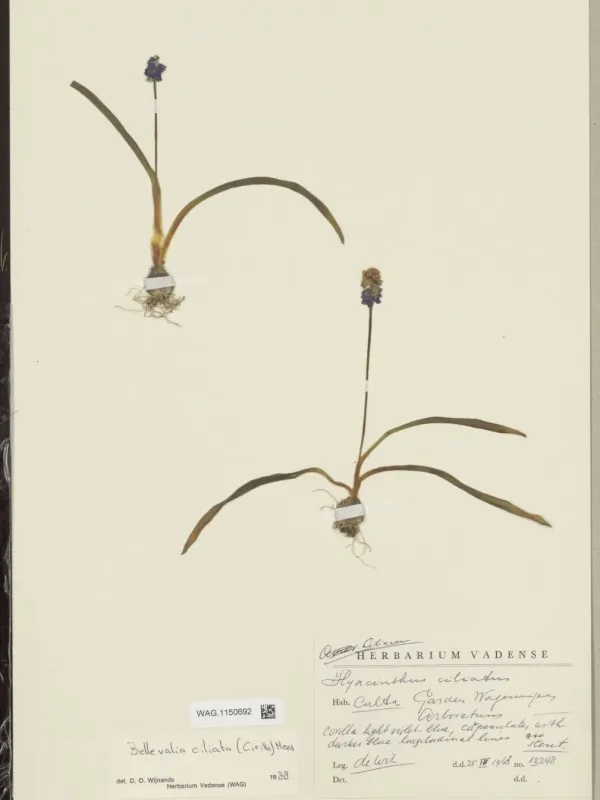
Description
Sowing dates
Planting of Bellevalia ciliata bulbs should occur during the autumn months, typically between September and October. This timing allows the root system to establish itself before the soil temperatures drop significantly during winter.
Bulbs are planted at a depth equivalent to three times their diameter to ensure they are protected from freezing temperatures while remaining accessible for proper spring shoot development. Proper depth is critical for long-term bulb viability.
Spacings between individual bulbs should range from 10 to 15 centimeters. Such spacing provides sufficient space for each plant to draw nutrients from the soil without competing with neighboring bulbs for resources.
Spring planting is generally discouraged as it often leads to poor establishment and failure to bloom during the first season. Autumn planting aligns with the natural biological clock of the plant, ensuring a more robust growth cycle.
After the foliage has yellowed naturally at the end of the season, clumps can be divided to propagate the plant. This practice prevents overcrowding and maintains high vigor in ornamental beds or production fields.
Growing requirements
Bellevalia ciliata belongs to the Asparagaceae family and thrives in open, sunny locations. Full exposure to sunlight is essential for the plant to achieve its optimal growth potential and to produce healthy, vibrant flower spikes.
The soil must be light, well-draining, and maintain a neutral or slightly alkaline pH. In regions with dense clay soils, adding horticultural sand or perlite is necessary to prevent the accumulation of moisture around the bulb, which is a major risk factor.
This species exhibits a high tolerance to drought, making it suitable for regions with limited rainfall. During the active growing period, watering should be moderate and consistent, but the soil should be kept dry during the dormant summer period.
The plant requires a temperate climate with a clear transition between seasons to trigger its natural dormancy cycle. In areas prone to extreme frost, applying a light layer of mulch or organic matter will provide the necessary insulation for the bulb.
Field maintenance includes light hoeing to improve aeration and prevent crusting of the soil surface. Aerated soil helps the bulb breathe and prevents the development of anaerobic conditions that facilitate root stress.
Main diseases and pests
Root and bulb rots are the most significant threats to Bellevalia ciliata, often caused by stagnant water or excessively wet soil conditions. These fungal pathogens can destroy entire populations if not managed through proper drainage.
Pests such as bulb mites and onion flies can damage the underground tissues, leading to stunted growth or total plant loss. Preventive treatment of bulbs with certified fungicides and insecticides is recommended before planting.
Viral infections may appear as yellow streaks on leaves or stunted floral growth. Since viruses are often transmitted by aphids or other insects, maintaining effective control over vector populations is a critical aspect of plant health management.
Small rodents pose a significant risk, particularly during winter when other food sources are scarce. Utilizing protective wire mesh or deterrents can effectively safeguard bulb collections from rodent damage in field conditions.
To minimize disease pressure, practitioners should avoid planting in areas where related bulb crops have previously suffered from infestations. Practicing good hygiene by removing and destroying symptomatic plants is vital for maintaining a healthy field.