
Bellevalia chrisii
Bellevalia chrisii
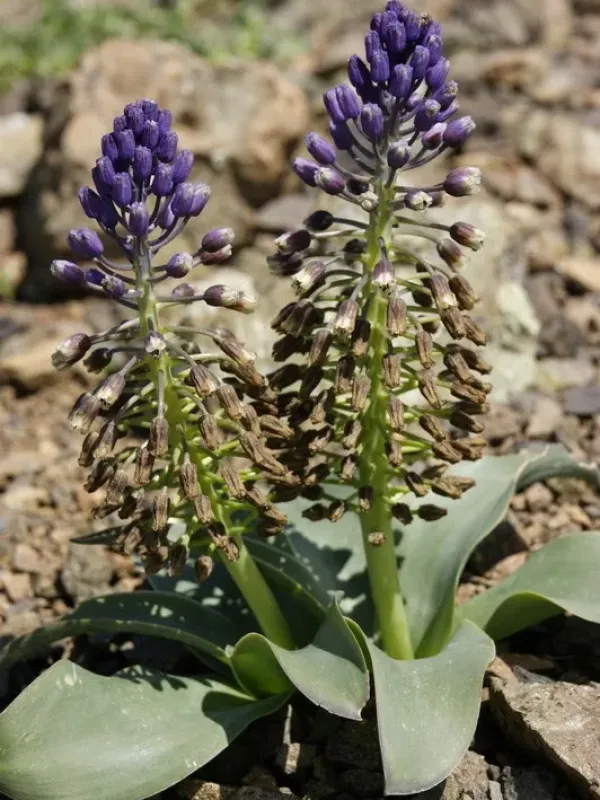
Description
Growing requirements
Bellevalia chrisii is a perennial bulbous plant belonging to the Asparagaceae family. This species is native to specific habitats in Turkey, characterized by its localized and rare presence within the wild flora.
The plant thrives in well-drained, sandy, or rocky soils that mimic its natural mountainous environment. It is essential to avoid sites with waterlogging, as the bulbs are highly susceptible to rot during the dormant stage.
Regarding climate, Bellevalia chrisii prefers regions with clear seasonal transitions, experiencing cool, moist winters followed by warm, dry summers. Providing adequate sunlight is crucial for the development of its characteristic spike-shaped inflorescences.
From an agrotechnical perspective, the plant requires minimal maintenance, as it is well-adapted to nutrient-poor substrates. Growers should ensure that the planting depth is appropriate, usually two to three times the diameter of the bulb, to protect it from temperature extremes.
Its primary use is ornamental, serving as a prized addition to specialized rock gardens and botanical collections. Despite its lack of widespread commercial farming, it remains an important species for preserving biodiversity in arid landscape projects.
Main diseases and pests
The most significant threats to Bellevalia chrisii are fungal pathogens, specifically those causing basal rot and penicillium mold. These conditions typically arise when irrigation management fails to align with the plant's seasonal moisture needs.
Pests such as bulb mites and various soil-dwelling larvae can significantly damage the root systems. Implementing integrated pest management strategies, such as soil solarization or the use of systemic soil insecticides, is recommended for healthy bulb development.
Excessive humidity in the cultivation environment often triggers physiological disorders that make the plant more vulnerable to secondary infections. Maintaining low atmospheric humidity is vital for plant vigor.
Viral infections, transmitted by sap-sucking insects like aphids, can result in stunted growth and leaf deformation. Regular monitoring and immediate removal of infected individuals are necessary to maintain the health of the entire patch.
Weed control is an often overlooked aspect, but it is critical as weeds compete for limited soil nutrients and can harbor pests. Maintaining a clean cultivation area ensures the longevity and productivity of the Bellevalia bulbs.