
Bellevalia
Bellevalia
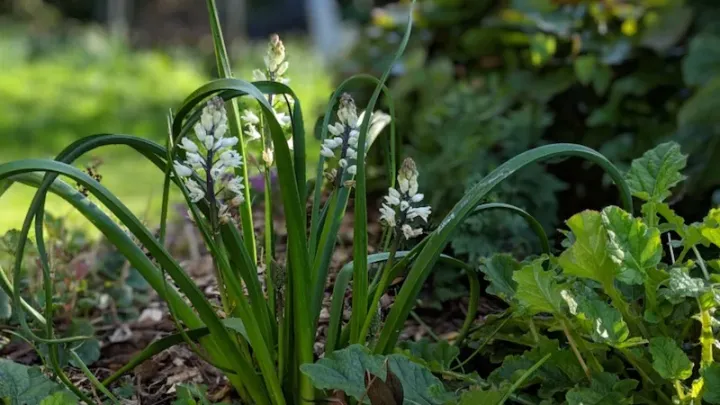
Description
Growing requirements
Bellevalia is a genus of bulbous perennial plants belonging to the Asparagaceae family. These plants are closely related to Muscari and are appreciated in gardening for their distinct, elongated racemes of bell-shaped flowers.
The native range of the genus stretches across the Mediterranean, the Middle East, and parts of Central Asia. They typically inhabit dry, open stony slopes, which dictates their specific ecological needs in a garden setting.
Successful cultivation of Bellevalia requires well-drained soil with a slightly alkaline to neutral pH. Moisture-retentive, heavy clay soils must be improved with grit or sand to ensure that the bulbs do not remain wet during dormancy.
Plants thrive in full sun and require a dry summer period to complete their vegetative cycle properly. In regions with rainy summers, it is often necessary to lift the bulbs or provide cover to prevent excessive moisture intake.
The agrotechnical maintenance involves weeding around the plants and providing balanced liquid fertilizers at the beginning of the growth season. Once the foliage begins to yellow, all irrigation should cease to allow the bulb to enter a rest period.
Main diseases and pests
The most significant threats to Bellevalia are fungal pathogens, specifically those causing bulb rot and basal rot. These issues are almost always linked to poor drainage and waterlogged conditions during the winter months.
To minimize disease risk, ensure the planting site is elevated or sloped to promote water runoff. Pre-planting treatment of bulbs with a systemic fungicide can offer additional protection against soil-borne fungi.
Pests such as bulb mites and larvae of the onion fly can cause substantial damage to the subterranean parts of the plant. Monitoring for yellowing or stunted leaves is essential for early detection of potential underground infestations.
Garden hygiene is vital for disease prevention. Removing decaying plant matter and ensuring good air circulation around the foliage helps to reduce the spread of spores during the humid spring days.
If chemical interventions are necessary, apply appropriate insecticides only during the active growth period, ensuring the product is approved for ornamental bulbous crops to avoid damage to sensitive tissues.