
Aspidistra punctata
Aspidistra punctata
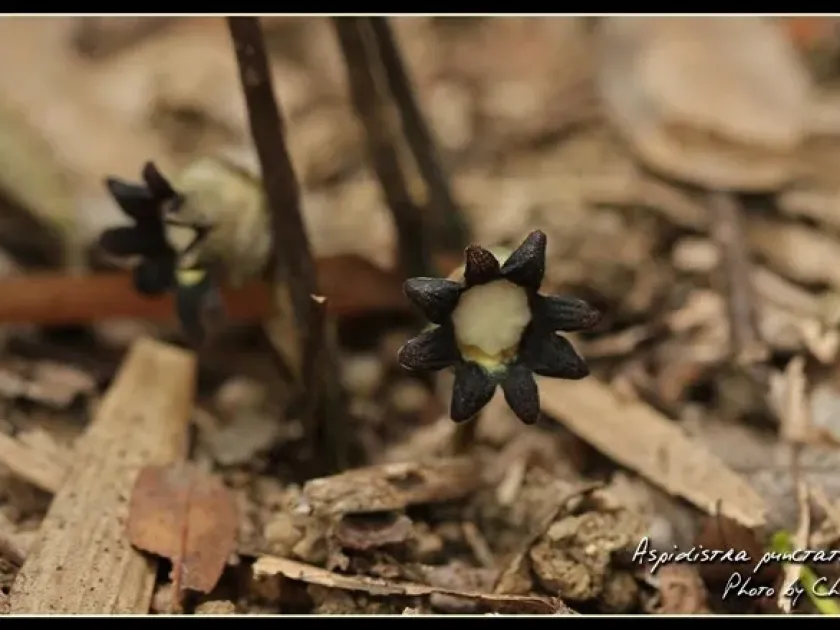
Description
Growing requirements
Aspidistra punctata is a perennial rhizomatous plant belonging to the Asparagaceae family. In its natural habitat, this species grows in the subtropical forests of Southeast Asia, where it prefers shaded areas with high atmospheric humidity.
Botanically, the plant is characterized by elongated, leathery leaves that grow directly from the underground rhizome. A distinctive feature of Aspidistra punctata is the presence of small light-colored spots or streaks on the leaf blade, which defines its specific name.
The culture is extremely shade-tolerant and capable of developing under minimal lighting conditions, making it highly demanded for interior landscaping. The optimal temperature range for normal growth is 15–22 degrees Celsius, and the plant can withstand short-term temperature drops.
Soil requirements include the use of loose, fertile substrates with excellent drainage. It is crucial to ensure a neutral or slightly acidic soil reaction, as water stagnation around the roots often leads to rot of the robust rhizome.
The cultivation technique is based on moderate watering during the growing season and reduced irrigation during the winter period. The plant responds well to diluted mineral fertilizers, although excessive fertilization may result in the loss of its characteristic leaf spotting.
Main diseases and pests
The main pests affecting this crop when humidity levels are violated are spider mites and scale insects. To control them, it is recommended to regularly wipe the leaves with a damp sponge and use broad-spectrum insecticides.
Fungal diseases, such as root rot, develop exclusively due to waterlogging or the use of heavy, poorly aerated soil mixtures. Prevention involves ensuring a high-quality drainage layer in the container.