
Aspidistra hybrids
Aspidistra hybrids
Description
Growing requirements
Aspidistra hybrids are perennial herbaceous plants belonging to the Asparagaceae family. Originating from the mountainous forest regions of East Asia, these plants have evolved to thrive in low-light environments, making them highly resilient cultural assets in modern horticulture.
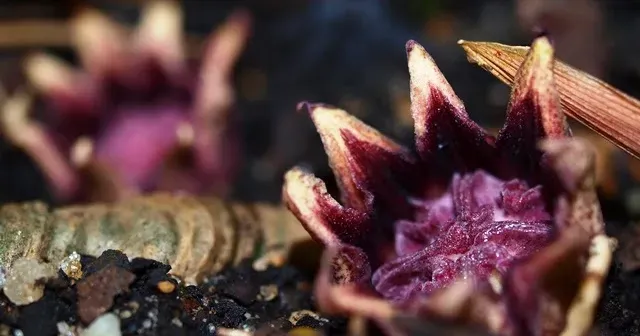
Botanically, the plant is characterized by its rhizomatous structure and large, leathery, dark green leaves. Modern hybrids are often bred for their unique leaf patterns, including variegation, which significantly enhances their appeal as decorative foliage crops in professional interior landscaping.
The culture requires specific environmental conditions, preferring moderate temperatures between 15 and 22 degrees Celsius. Unlike many ornamental plants, it is remarkably tolerant of low light and poor air quality, but it must be protected from direct sunlight, which causes severe leaf scorching.
Regarding soil management, the crop thrives in well-drained, nutrient-rich substrates. A potting mix consisting of loamy soil and organic compost is recommended. Irrigation should be performed with caution; the substrate must be allowed to dry slightly between waterings to prevent root system collapse and fungal infections.
The economic value of Aspidistra hybrids lies in their long-term viability as indoor decorative plants. Due to their extreme longevity and minimal maintenance requirements, they are widely utilized in high-traffic commercial spaces, hospitals, and office buildings for sustainable interior greening.
Main diseases and pests
Typical pests affecting this culture include spider mites and scale insects, especially in low-humidity environments. Integrated pest management, including regular inspection and the use of insecticidal soaps, is vital for maintaining the aesthetic quality of the foliage.
Root rot is the most significant pathological threat, primarily caused by excessive irrigation or poor drainage. To mitigate this risk, growers must ensure an optimal balance of water and soil aeration, preventing saturation during the winter dormancy period.