
Aspidistra caespitosa
Aspidistra caespitosa
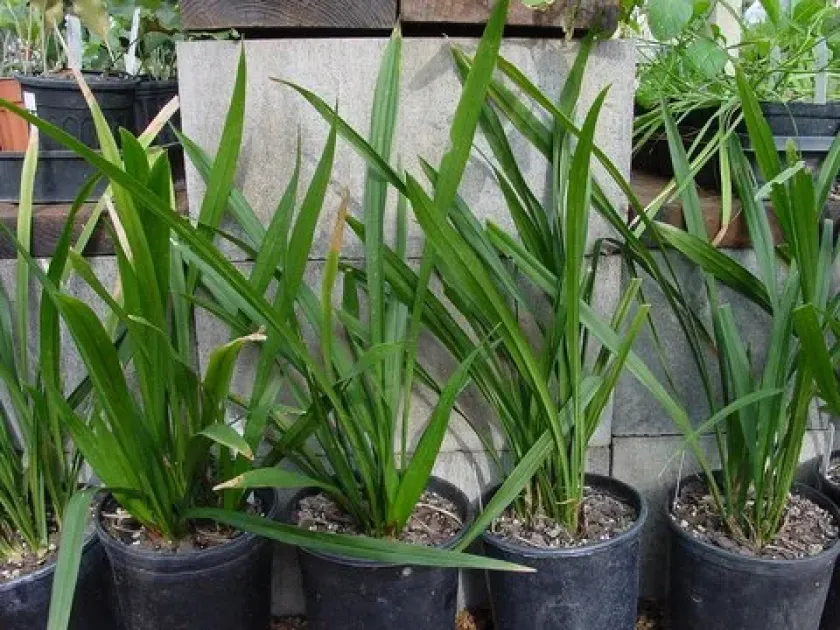
Description
Growing requirements
Aspidistra caespitosa is a perennial herbaceous plant belonging to the Asparagaceae family. Native to the forested mountain regions of East Asia, specifically China, this species has evolved to thrive in the dense shade of forest understories, making it highly resilient to low-light conditions.
Botanically, it is characterized by dense, tufted growth arising from thick rhizomes. The leaves are typically lanceolate, leathery, and dark green, providing a structural aesthetic that is highly valued in both botanical collections and interior design applications.
Climatic requirements focus on maintaining moderate temperatures, ideally between 15 and 22 degrees Celsius. It is highly intolerant of direct sunlight, which can scorch the foliage and lead to significant degradation of the plant's health and visual appeal.
Regarding soil and cultivation, this species requires a well-draining, slightly acidic to neutral substrate. Proper drainage is the most critical factor in its maintenance, as the rhizomes are susceptible to rot if subjected to waterlogged soil for extended periods.
Management practices involve regular but sparse watering and light feeding during the growing season. Because the plant is slow-growing, it does not require frequent repotting or excessive fertilization, preferring stability in its environment over rapid nutrient-induced growth spurts.
Main diseases and pests
The primary threats to Aspidistra caespitosa include pests such as spider mites and scale insects, particularly when grown in environments with poor ventilation or low humidity. Root rot remains the most common physiological threat, often resulting from improper irrigation management and heavy, non-porous potting media.