
Asparagus virgatus
Asparagus virgatus
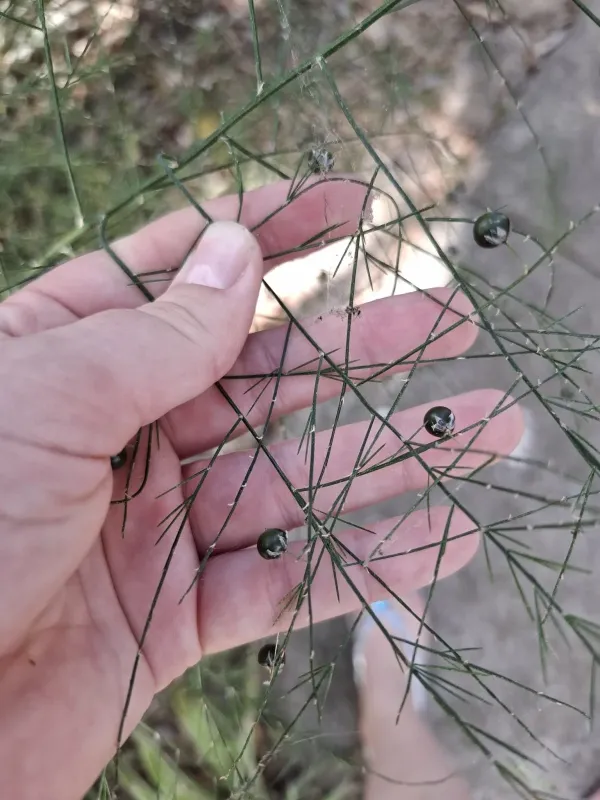
Description
Sowing dates
Sowing seeds of Asparagus virgatus is best initiated in early spring as day length increases. To improve germination rates, it is recommended to soak the seeds in warm water for 24 hours prior to planting.
The optimal germination temperature ranges between 20 and 25 degrees Celsius. A lightweight, well-draining potting medium is essential to prevent moisture buildup, which can cause the seeds to rot before sprouting.
Seedlings should be pricked out and transplanted into individual containers once the first pair of true leaves has fully developed. Care must be taken to handle the delicate root system gently, as transplant shock can significantly stall growth.
In commercial operations, vegetative propagation via rhizome division is commonly used. This method ensures that the offspring maintain the desirable characteristics of the parent plant and establishes a robust root base faster.
When transitioning to outdoor cultivation, planting must only occur after the risk of frost has completely passed. The species thrives in bright locations but benefits from partial shading during the peak of the midday sun.
Growing requirements
Asparagus virgatus is a perennial plant belonging to the Asparagaceae family. Native to the southern regions of Africa, this plant is well-adapted to varied climatic conditions, yet it thrives best in stable environments.
The soil should be a loam-based or sandy mix enriched with organic matter, maintaining a neutral to slightly acidic pH level. Excellent drainage is non-negotiable, as the plant's fleshy roots are highly susceptible to rot if submerged in water.
While the species exhibits moderate drought tolerance, it requires consistent moisture during its active growing phase. Providing a humidity level of 60-70% is ideal, and regular misting can help prevent the foliage from drying out in indoor settings.
Regular fertilization with a balanced, nitrogen-rich formula is necessary during the growing season to support lush foliage production. Potassium-based supplements are recommended in the autumn to prepare the plant for its dormant stage.
The plant is sensitive to cold drafts and significant temperature fluctuations. In temperate climates, it is best grown as a greenhouse or indoor ornamental plant, as it cannot survive exposure to freezing temperatures.
Yield
The yield of Asparagus virgatus is measured by the volume of decorative stems suitable for floral arrangements. A mature, well-tended plant can produce between 20 to 30 usable stems per season.
Growth rates are directly proportional to the amount of ambient light and the availability of nutrients. Plants aged three years or older provide the most stable harvests of long, high-quality stems that are favored in commercial floristry.
Regular pruning of old or yellowing stems is essential to keep the plant productive. This stimulates the production of fresh, vibrant green shoots, which are the primary product for market distribution.
Balanced fertilization aids in increasing the overall bush density, though caution is required. Over-fertilization can result in excessively soft growth that lacks the rigidity necessary for long-distance transport and aesthetic appeal.
Proper post-harvest management is critical, as the stems remain viable for several weeks under cool storage conditions. Maintaining a temperature range of 5-10 degrees Celsius is standard practice for keeping the produce fresh.
Main diseases and pests
Spider mites and scale insects are the primary pests that threaten Asparagus virgatus, especially in low-humidity environments. Immediate application of targeted insecticides is necessary upon the first signs of infestation.
Root rot is the most common and dangerous disease, usually triggered by overwatering or poor soil aeration. Preventing this through diligent irrigation management is the most effective way to ensure plant longevity.
Powdery mildew may develop if the plant is kept in conditions with poor air circulation and high humidity. Fungicidal treatments based on sulfur or copper are effective remedies, coupled with environmental improvements.
Thrips can also damage the plant by feeding on the cladodes, leaving silver spots and causing deformation. Regular inspections of the foliage underside are crucial for detecting these pests early.
Disease prevention is achieved by maintaining high hygiene standards, disinfecting tools, and avoiding the introduction of infected plant materials. Providing adequate spacing between plants also helps minimize the spread of airborne pathogens.
Harvesting
Harvesting is performed using a sharp, sanitized pair of pruning shears to avoid damaging the plant tissue. Cuts should be made at the base of the stems, ensuring no injury to the rhizome or adjacent emerging shoots.
The best time for harvesting is during the early morning when the plant has peak turgor pressure. This ensures the cut foliage stays fresh and vibrant for a longer period post-harvest.
After collection, the stems must be sorted according to length, thickness, and color consistency. Damaged or discolored shoots should be discarded to meet the high aesthetic standards required for professional floral designs.
Transportation requires ventilated boxes to prevent bruising and overheating. Stems should be kept upright if possible, avoiding excessive pressure or bending which could permanently disfigure the delicate greenery.
Once the harvest cycle concludes, the plant enters a period of dormancy. Reducing water intake and stopping fertilization during this time allows the plant to recover and store energy for the next growing cycle.