
Asparagus verticillatus
Asparagus verticillatus
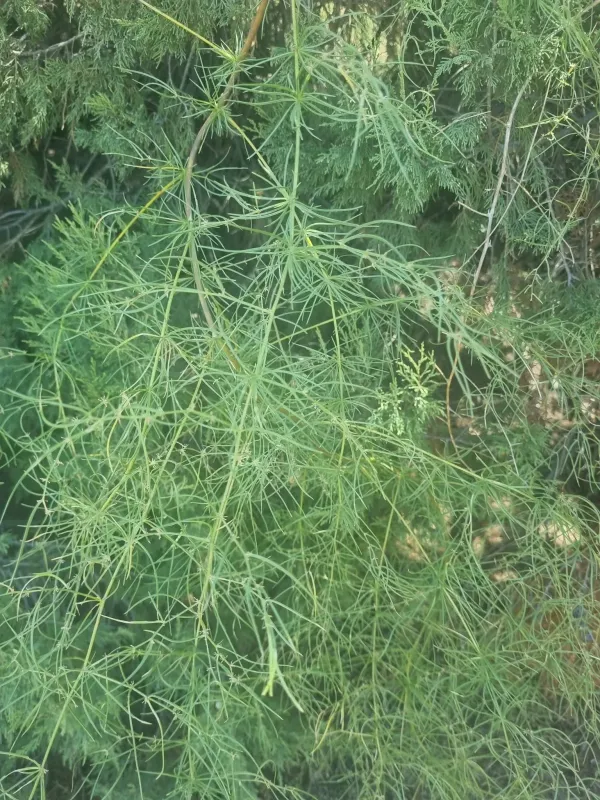
Description
Sowing dates
Sowing seeds of Asparagus verticillatus is best performed in the spring when the soil temperature consistently reaches 12-15 degrees Celsius. In temperate climates, mid-April is usually the ideal time to sow directly into the open ground.
The seeds possess a hard, protective outer coating that requires soaking in warm water for at least 48 hours prior to planting to facilitate germination. Improved hydration significantly increases the success rate of emergence.
Seeds should be placed at a depth of 2-3 centimeters in well-drained, fertile soil. Providing adequate spacing, typically 60-70 centimeters between rows, is essential for the future development of the massive root system and mature plant structure.
Because the plant grows slowly in its initial stages, many professional growers prefer a nursery-started approach. Sowing in pots during March allows for the development of sturdy seedlings that can be transplanted in late May.
Patience is required during the germination period, as it can take up to four weeks for seedlings to appear. Keeping the seedbed consistently moist without waterlogging the soil is critical for healthy establishment.
Growing requirements
Asparagus verticillatus, a member of the Asparagaceae family, thrives in sunny, well-lit environments protected from strong, drying winds. It requires a significant amount of solar energy for optimal growth and sugar production.
The soil must be light, sandy-loam or loam in texture, and possess excellent drainage. Heavy, clay-based soils that retain moisture are generally unsuitable, as they promote root rot and prevent the development of high-quality shoots.
The plant is naturally drought-tolerant due to its large fleshy root system. However, for agricultural production, supplemental irrigation during dry spells is necessary to ensure the formation of tender, succulent spears.
A soil pH of 6.5 to 7.0 is ideal for nutrient uptake. Incorporating well-rotted organic compost or mature manure during the pre-planting phase ensures the plant has a long-term nutrient reservoir for the coming years.
Asparagus verticillatus displays remarkable winter hardiness. In its native range, spanning from Eastern Europe to the Caucasus, it endures cold winter temperatures well, provided the soil drainage prevents frost-heaving.
Yield
The agricultural value of this plant lies in its young, succulent shoots. A productive plantation takes time to establish, and yields are generally not expected until the third year after field establishment.
During the first two years, the plants focus on developing a robust vegetative structure and an extensive rhizome network. Harvesting during this period will severely weaken the plant and negatively impact future productivity.
A healthy, mature plant can produce between 300 and 500 grams of edible spears per season. Yields continue to increase as the root crown matures, reaching peak production between the fourth and tenth years.
Consistent yield depends on the overall health of the crown. Proper management of the fern-like foliage after the harvest season is vital, as this is when the plant gathers the energy reserves needed for the following year's crop.
Marketable spears must be harvested while they are young, tender, and firm, before the tips begin to open and the lower sections start to become fibrous or woody.
Main diseases and pests
The asparagus fly is a significant pest that poses a direct threat to the harvest. The larvae bore into the developing spears, causing them to wilt and become unmarketable due to internal damage.
Root rot, often caused by stagnant moisture, is a serious ailment in poorly drained fields. It results in yellowing of the stems and a gradual decline in the plant's overall vigor and survival rate.
The asparagus beetle is another common threat, as both adults and larvae feed on the foliage and new shoots, reducing the plant's photosynthetic capacity and hindering nutrient accumulation for the next season.
Effective pest management involves rigorous field sanitation. Removing and burning affected plant debris in the autumn helps break the lifecycle of many pests and reduces the number of pathogens in the soil.
Integrated Pest Management (IPM) practices, such as the use of biological control agents and monitoring pheromone traps, are recommended to maintain a healthy crop without excessive chemical inputs.
Harvesting
The harvest period typically occurs in early spring. Spears should be cut daily or every other day during peak growth, preferably in the early morning hours to maintain maximum crispness and moisture content.
Using a sharp harvest knife, the spears are cut 3-5 centimeters below the soil surface. Great care must be taken to avoid damaging the dormant buds on the crown, which are essential for producing subsequent shoots.
Post-harvest care involves smoothing the soil over the cut to protect the roots from heat and direct sunlight. Mulching can help maintain soil temperature and reduce moisture loss after the cutting season ends.
Immediate cooling of the harvested product is essential to preserve flavor and texture. Asparagus has a high respiration rate and will lose quality quickly if left at ambient temperatures.
The harvest window usually lasts for 4-6 weeks. Once the spears begin to emerge thinner and the plant begins to form foliage, harvesting must cease to allow the plant to complete its vegetative growth cycle.