
Pallas asparagus
Asparagus trichophyllus
Description
Growing requirements
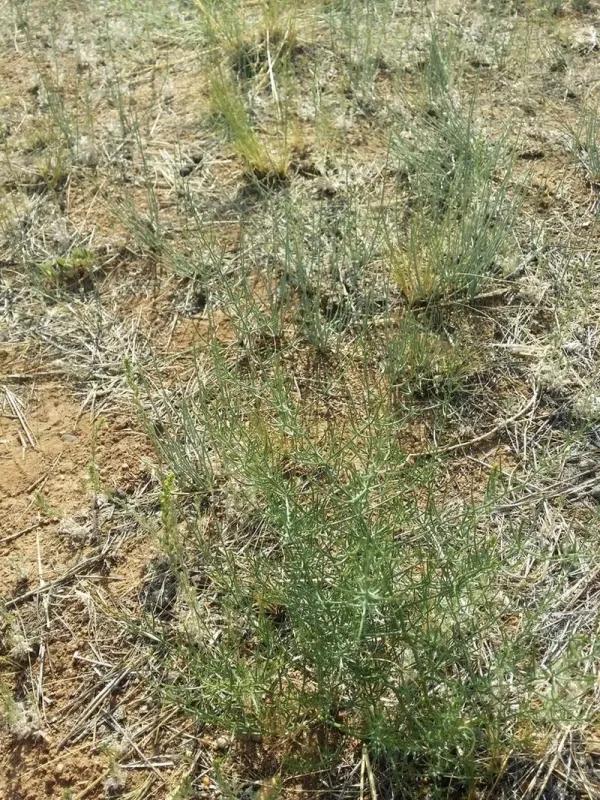
Pallas asparagus (Asparagus trichophyllus) is a perennial plant species within the Asparagaceae family. Originating from arid and semi-arid regions of Asia, it exhibits notable resilience to environmental stressors compared to typical culinary asparagus varieties.
In terms of climate requirements, this plant thrives in open, sun-drenched environments. It is characterized by high drought tolerance and can withstand extreme temperature fluctuations if the root system is well-established.
The optimal soil for this crop is sandy or light-textured soil with a neutral to slightly alkaline pH. Proper soil structure is essential for root aeration, as the plant is highly sensitive to root rot triggered by waterlogged conditions.
Agrotechnical practices involve careful weed management, especially during the establishment phase, as the plant competes poorly with aggressive weeds. Fertilization should be balanced, focusing on potassium and phosphorus to enhance winter hardiness.
Economically, Pallas asparagus is primarily cultivated for its young shoots, which are harvested in early spring. Its adaptability makes it a valuable candidate for diversification in regions where traditional asparagus cultivars struggle to produce.
Main diseases and pests
The crop is susceptible to several fungal diseases, primarily asparagus rust and Fusarium wilt. These pathogens thrive in conditions with poor air circulation and excessive relative humidity near the soil surface.
Insect pests include the asparagus beetle (Crioceris species) and the asparagus fly. The larvae of these pests are particularly destructive, as they burrow into the stems, disrupting nutrient transport and causing plant decay.
Integrated pest management strategies are highly recommended. This includes the use of certified disease-free planting material and the removal of all infested debris from the field after the growing season concludes.
Monitoring for signs of pest damage should be conducted weekly throughout the active growth period. Early intervention is key to preventing widespread infestations that could compromise the long-term viability of the field.
Chemical control measures, such as targeted insecticide applications, must be timed carefully to avoid harming beneficial pollinators and to ensure that no toxic residues remain on the shoots at the time of harvesting.